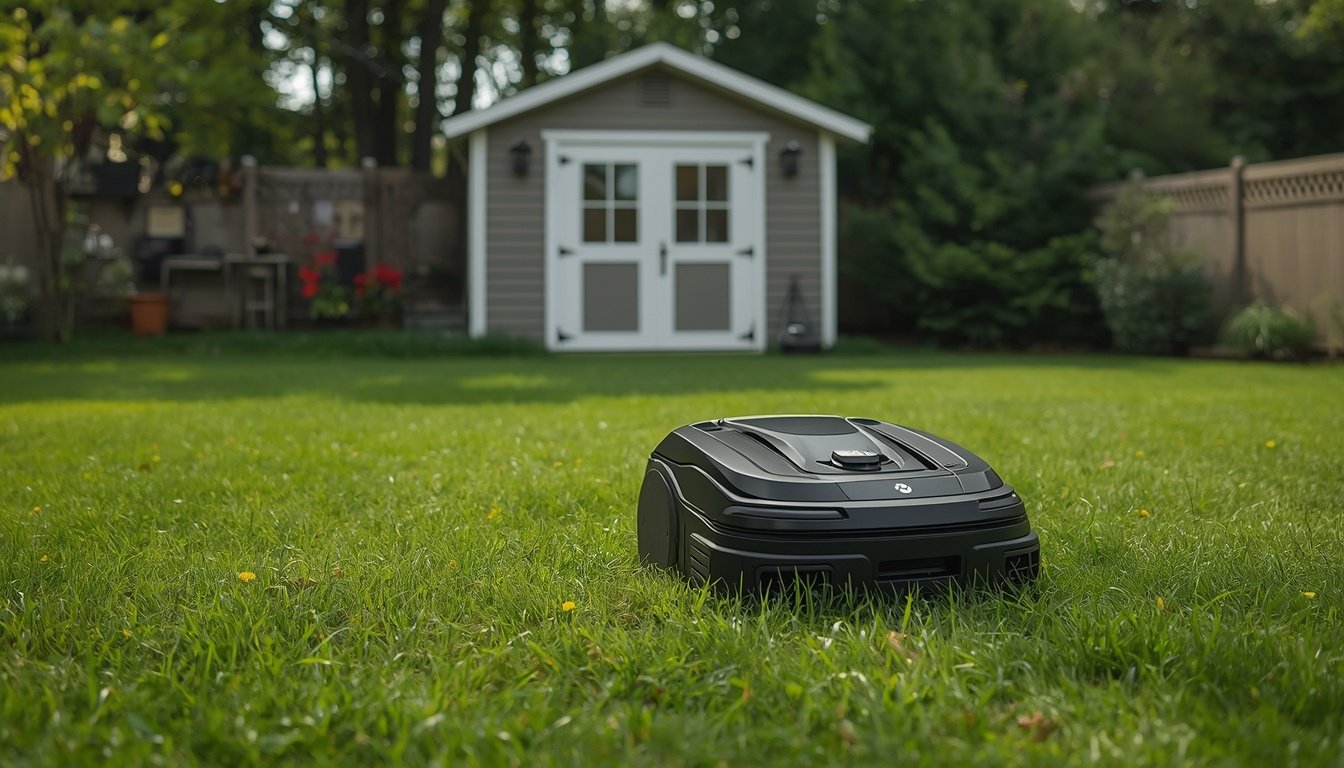
Most robot lawn mowers are designed to be water-resistant, not fully waterproof. This means they can generally handle light rain, wet grass, or the occasional splash, but they should not be submerged or exposed to heavy, persistent water. Full immersion in water or direct exposure to sprinklers and flooding may damage the mower or interfere with its operation.
How It Works
Wire-free robot lawn mowers are built with sealed electronics and protective casings to prevent water from reaching sensitive internal components. Manufacturers typically use rubber gaskets, covered charging ports, and tight seams to keep moisture out. Sensors and controls are also encased to resist rain or dampness during routine mowing sessions.
What It Can Do
Within the limits of their water protection, robot mowers maintain some important capabilities outdoors. Most models are suited for regular outdoor use and short-term exposure to moisture. These practical protections allow the mower to continue operating under normal garden conditions.
- Tolerate light rain during mowing cycles without immediate harm
- Continue functioning on dewy or mildly wet grass
- Return safely to the charging station when rain is detected
- Resist damage from accidental splashes or hoses (indirectly)
This level of resistance adds convenience, as owners do not need to move the mower indoors at every sign of moisture. It also minimizes interruptions to scheduled mowing. However, protection has clear boundaries, and proper care is needed to ensure long-term reliability. Always check specific model ratings for IP (Ingress Protection) codes to determine the exact level of water resistance.
Limitations and What It Cannot Do
Despite being water-resistant, robot lawn mowers have important limitations. They do not function reliably in heavy rain, storms, or when submerged in water. Prolonged exposure to water can still cause internal failures, sensor errors, or corrosion over time. Wet grass can affect traction and cutting quality, and muddy surfaces may lead to mechanical problems or getting stuck.
Most manufacturers recommend removing the mower from the lawn during severe weather and never cleaning it with a high-pressure hose. Charging stations, electronics, and batteries are not waterproof and must be kept out of standing water to avoid damage. For more information on how these devices operate in wet conditions, see can robot lawn mowers mow in the rain.
Following these safety limitations extends the life of the mower and prevents expensive repairs. Owners should always read the user manual for rain and water guidelines specific to their model to minimize potential risks.
When It Works Best
Water-resistant robot mowers are most reliable in mild, predictable weather. They perform best on dry or slightly damp lawns. If the region is prone to light morning dew or gentle, brief showers, most current models can continue mowing without interruption. For optimal results, users should avoid scheduling mowing during storms or very wet periods and check the forecast regularly.
Placing the docking station where it’s sheltered from direct rain and avoiding areas prone to puddling will help keep the mower in good condition. When storms or heavy rainfall are expected, it’s wise to dock the mower indoors or in a covered station until conditions improve.
Common Misconceptions
It is a misconception that robot lawn mowers are fully waterproof. While they can handle some moisture, they are not intended for heavy rain or immersion. Another misconception is that all models perform identically in rain—different brands and designs have varying degrees of water protection, so it is important to check specifications before use in wet conditions.
Final Answer Summary
Robot lawn mowers are generally water-resistant but not fully waterproof. This allows them to handle light rain and wet grass, but users should protect them from heavy rain, flooding, or submersion. Proper use according to manufacturer guidelines preserves safety and function.