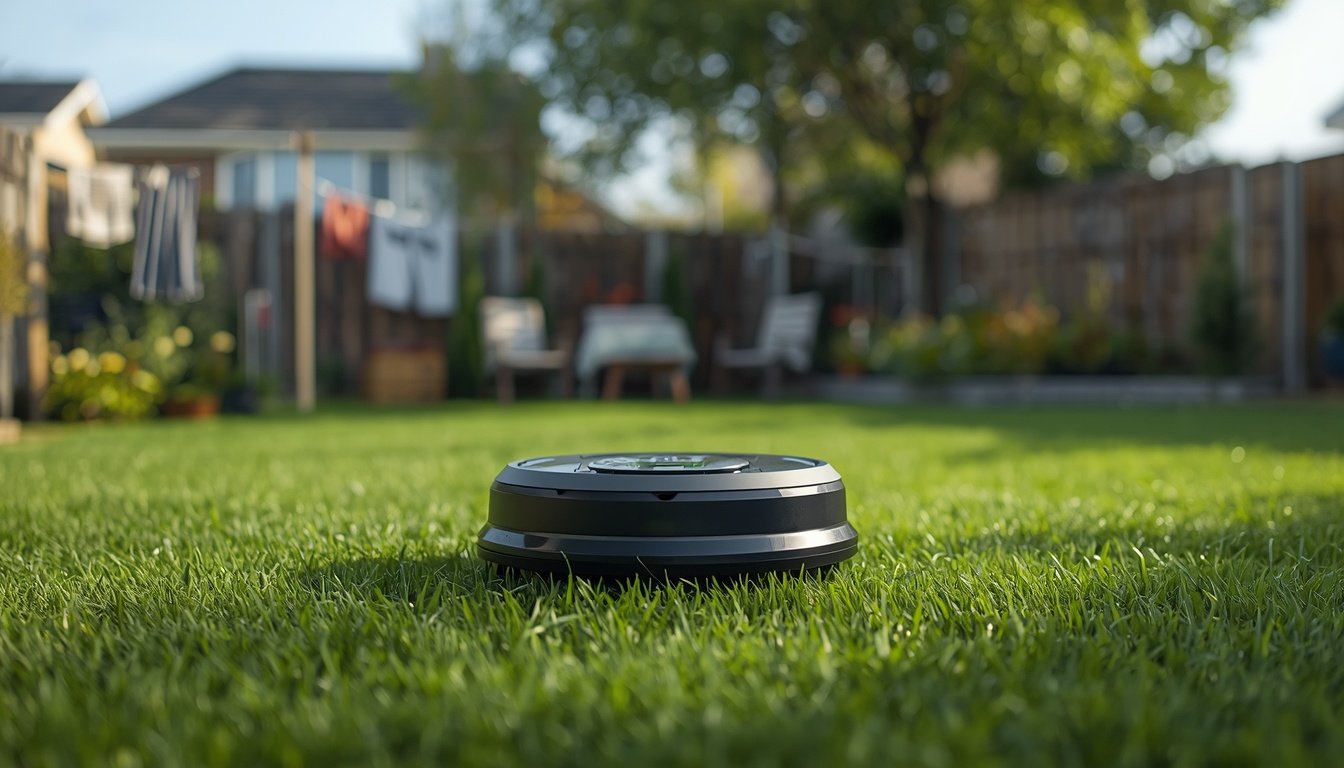
Choosing the right robot mower navigation system is crucial for anyone maintaining a lawn with curves, obstacles, or split sections. For complex lawns, navigation accuracy and adaptability make the biggest difference in performance and maintenance results. Understanding how these systems operate—and which features actually impact efficiency—helps you spot what matters most before making a decision.
Why It Matters
Not every navigation system is created with complex lawns in mind. Advanced technologies do more than guide a mower from point A to B—they determine how well it handles narrow passages, unpredictable boundaries, and multiple zones. This can directly affect mowing completeness, time savings, and the need for manual intervention.
If your garden includes flower beds, trees, or varying terrain, a mower that simply “gets around” might not be enough. A navigation system that’s robust and reliable under these conditions means less frustration and ongoing yard work for you.
Most Important Features to Prioritise
When evaluating robot mower navigation systems, some features consistently make the largest positive impact in challenging environments. It’s tempting to focus on buzzwords, but understanding why these elements matter is key to making a smart, future-proof choice.
- Obstacle Detection and Avoidance: Essential for lawns with trees, play equipment, or garden borders. Look for systems using advanced sensors like LiDAR or cameras for accurate real-time avoidance, not just basic bump sensors.
- Precision Location Technology: For complex layouts, technologies like RTK GPS or high-quality LiDAR enable the mower to create exact maps and follow defined paths—improving coverage and efficiency dramatically.
- Multi-Zone Support: Allows the mower to manage several lawn areas independently, an advantage for split lawns or those with separated sections. Seamless multi-zone management can save manual effort.
- Adaptive Route Planning: Avoids repetitive patterns and covers all lawn areas, even awkward corners. Look for dynamic mapping and route recalculation to prevent missed spots.
These features help tackle the unique challenges of complex yards and minimize time spent correcting missed patches or rescuing a stuck machine. Even if your lawn changes over time, robust navigation means your mower can adapt. Prioritizing navigation strength and flexibility ensures you get a system that grows with your garden, not one that limits its potential.
Features That Matter Less for Most People
With so many options, it’s easy to get distracted by features that sound impressive but often have minimal real-world impact on complex lawn navigation. Understanding what to deprioritize helps keep your focus—and budget—on what will actually solve your biggest mowing challenges.
For instance, ultra-high top mowing speeds, fancy display screens, or voice-controlled integrations often don’t improve navigation accuracy. Mowers that tout their quiet operation or battery life as top selling points may not specifically address the mapping and route-planning sophistication needed for a challenging lawn shape. As long as these are at a practical threshold, neither noise nor battery capacity is as crucial as spatial awareness in most real-world complex gardens.
Additionally, some premium “smart home” integrations may appeal to tech enthusiasts, but they won’t prevent a mower from getting stuck behind a swing set or missing an isolated patch around a tree. It’s far wiser to invest where the technology directly addresses the intricacies of your unique lawn layout.
How to Match Features to Your Situation
Every garden presents a different set of navigation challenges. The best way to match technology to your lawn isn’t about aiming for the most advanced system on paper—but identifying how your specific needs line up with available features. Start by evaluating the unique characteristics of your outdoor space: are there frequent obstacles, steep slopes, or hard-to-reach sections? Do you have pets, children, or garden beds that require reliable boundary recognition?
If your lawn layout is particularly intricate or segmented, prioritize RTK or LiDAR-based navigation, as these systems excel at real-time mapping and precision. Homeowners with pets or dense landscaping may benefit most from advanced obstacle detection, reducing the risk of damaging plants or pausing in error. For highly irregular spaces, adaptive route planning supports complete coverage and cuts down on the need to guide the mower manually.
It’s worth reviewing comprehensive resources to see which navigation systems handle complexity consistently. For example, guides such as the best robot lawn mowers for complex lawns reveal how different models approach real-world obstacles and what to expect from each type of navigation technology. This helps filter your options before you buy, making the search faster and more targeted to your needs.
Final Thoughts
A robot mower’s navigation system can make or break its performance, especially in complex or challenging lawns. By focusing on accurate mapping, robust obstacle avoidance, and reliable multi-zone support, you’re much more likely to achieve hands-off, thorough mowing. It’s easy to be swayed by flashy extras, but when it comes to real-world impact, navigation features tailored to your lawn shape and needs will serve you best in the long run.
Staying mindful of which specifications are truly essential ensures a better experience not just on day one, but as gardens grow and evolve. Taking time to match capabilities with your unique lawn pays off each week the mower runs—and means less time spent fixing what the technology missed.