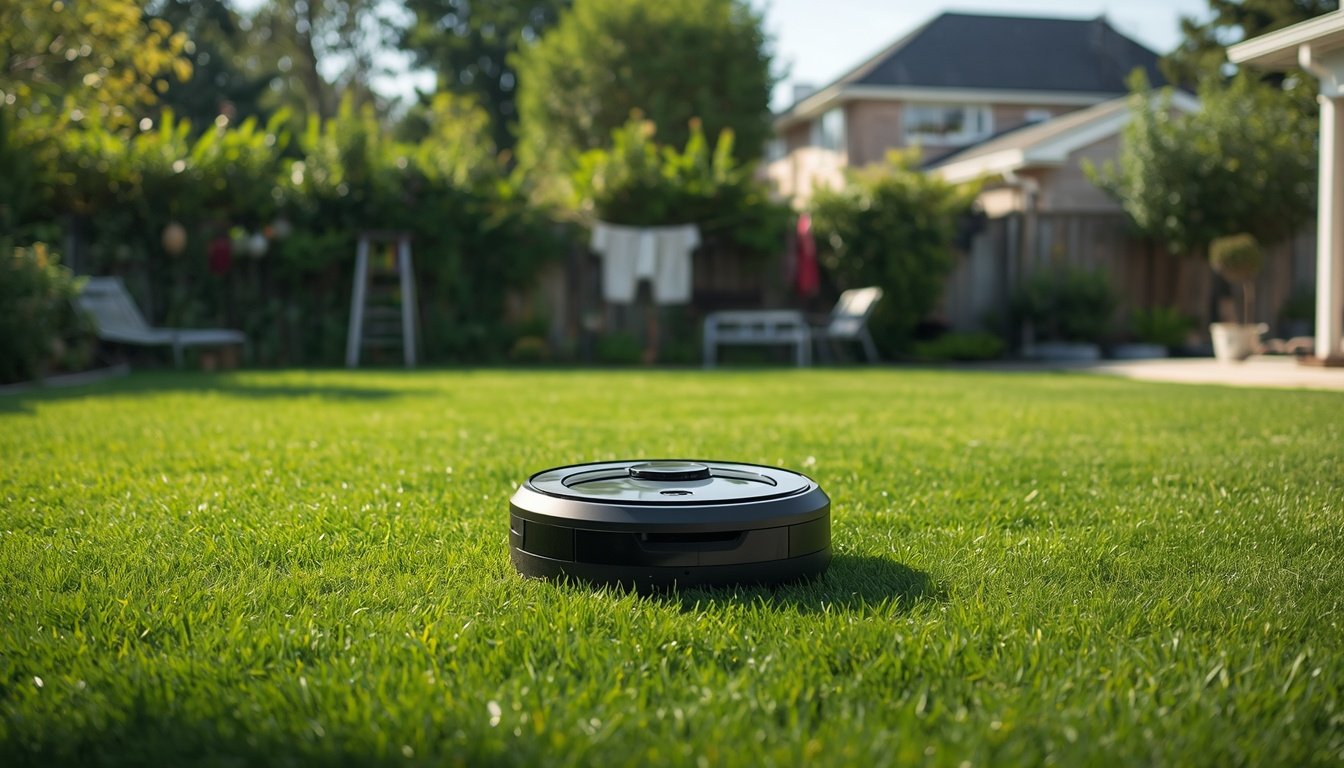
Wire-free robot mowers have changed lawn care, automating much of the mowing process. But even with advanced mapping and smart controls, a robot mower cannot fully replace a line trimmer. There are still areas and details that require manual touch-ups, meaning some physical work will remain part of your lawn care routine. Understanding where a robot mower shines—and where a trimmer is still necessary—will help you set realistic expectations before deciding which equipment truly fits your needs.
Why It Matters
The promise of full automation is appealing, but no robot mower can access every corner or edge of a typical yard. Obstacles, irregular borders, steep slopes, and fixed landscaping often create zones a mower cannot reach. Line trimmers (also called string trimmers or weed whackers) step in for these finishing touches. Ignoring these details can leave your lawn looking patchy or untidy, even if most of the grass is constantly cut to length.
This distinction affects both the look of your yard and the amount of time you’ll need to spend maintaining it. If your goal is a completely hands-off experience, knowing these limits is important before investing. Good planning also helps prevent disappointment and avoids unexpected manual labor for parts of the lawn the robot cannot cover.
Most Important Features to Prioritise
Before buying a wire-free robot mower, it’s crucial to consider the features that directly impact how much manual line trimming you’ll need to do. Not all robot mowers are equally capable when it comes to tackling complex yard layouts, and some have smart features that minimize—but never completely eliminate—the need for a trimmer.
- Edge mowing capability: Mowers with enhanced edge cutting can get closer to borders, reducing untouched strips that require manual trimming.
- Obstacle detection and navigation: Good sensors and mapping help the mower work around trees, flower beds, and other features, although they won’t cover every tight space.
- Zone management and customizable no-mow zones: Being able to program specific areas ensures the mower doesn’t get stuck but may exclude spots only a handheld tool can finish.
- Slope and terrain handling: Models that can navigate moderate slopes do a better job minimizing areas left uncut on inclines.
The better these features are, the less touch-up work you’ll face with a line trimmer. However, even the best technology can’t handle everything. Tight corners, narrow strips beside fences, and around certain obstacles are almost always left to manual tools. Remember to check your yard for these challenging areas to estimate ongoing effort.
Features That Matter Less for Most People
Some robot mower features make ownership easier or are fun to have but don’t significantly affect the amount of trimming you’ll need to do by hand. Being able to spot which features truly impact your workload can save time and money as you shop.
Connectivity extras, such as app control or smart home integration, are convenient but won’t affect physical mowing boundaries. Similarly, rain sensors and theft prevention systems keep your mower safe but don’t impact the actual cutting process. Battery life matters for very large lawns, yet for most residential spaces, charging frequency does not change how much hand trimming remains.
Focusing on core mowing effectiveness and adaptability is usually more useful than prioritizing non-mowing features. Many fancy add-ons add value for some, but for reducing manual work, their direct impact is minor. Prioritize the basics if your goal is time savings over tech novelty.
How to Match Features to Your Situation
Every yard has its own challenges, so it’s vital to match a robot mower’s real-world strengths to your specific environment. Analyzing your lawn layout, obstacles, and the precision you expect will help you estimate how much line trimming will still be required.
If your lawn is mostly open with simple borders, a robot mower with strong edge capability can minimize extra work. For yards with curved beds, trees, or lots of features, plan on regularly using a trimmer for detail work in places the robot can’t access. Reviewing detailed setup guides, such as our wire-free robot lawn mower guide, can help you spot the strengths and limitations based on real-life yard scenarios.
Ultimately, choosing the right robot mower means balancing how much of your lawn can be automated against the time and effort you’re willing to put in for finishing touches. Being prepared for some level of manual trimming is sensible, especially if you value a very polished look. Carefully examining your garden layout will clarify expectations and lead to a more satisfying purchase and maintenance experience.
Final Thoughts
Wire-free robot mowers can save considerable time by handling the bulk of mowing, but don’t expect to tuck away your line trimmer for good. Boundaries, intricate shapes, and hard-to-reach spots will still need occasional manual attention. The level of detail you expect and the complexity of your yard are key to deciding how much work remains. Focus on edge performance, navigation, and suitability for your garden’s unique layout to ensure you’re getting the balance of automation and manual work right. Realistic expectations and an honest assessment of your lawn will help you make an informed decision before investing in either tool.