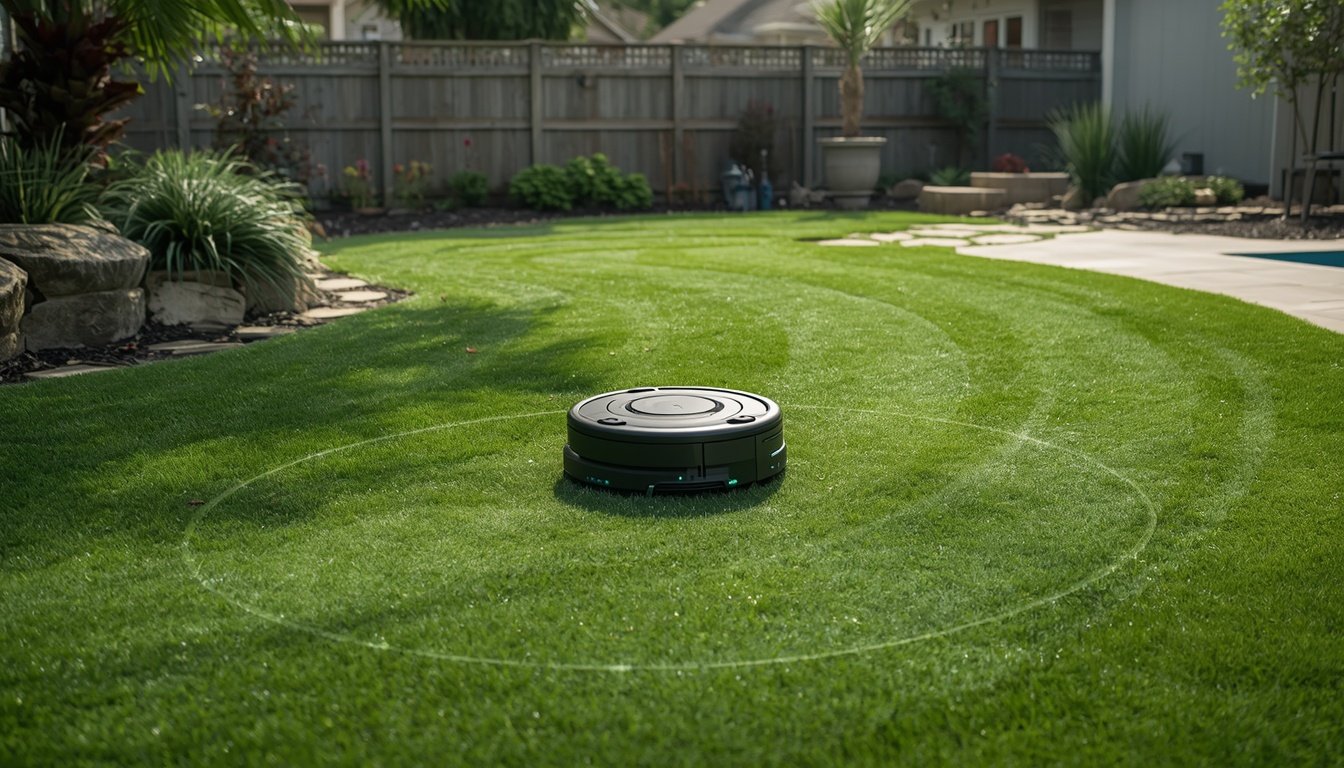
Robot mowers can handle small twigs and bits of bark on your lawn, but larger sticks and thick bark may present problems. Most models are designed to mow over minor debris without issue, shredding or pushing aside smaller pieces. However, encountering larger twigs or chunks of bark can jam the blades or stop the mower, occasionally leading to error alerts or brief shutdowns.
How Robot Mowers React to Twigs and Bark
Most wire-free robot mowers use spinning blades meant primarily for grass. Small twigs—about the thickness of a pencil or less—are typically chopped up or simply deflected by the blades. The same goes for thin, dry bark pieces scattered across the yard; these break down with repeated mowing. If you have moderate or occasional debris, your robot mower will likely continue running with only minor interruptions.
Problems arise when thicker or longer sticks are left behind after storms or pruning. When the robot encounters a branch thicker than a finger or a chunk of heavy bark, the blades may jam. Most devices instantly stop the cutting motor or back away to prevent damage. Some models even have sensors that detect the obstacle and program a path around it. However, repeated run-ins with tough debris might dull or nick the blades faster than normal, reducing cutting quality and requiring more frequent blade changes.
Minimizing Issues with Lawn Debris
To keep your robot mower running smoothly, it helps to remove large twigs and bark from your lawn before each mowing cycle. A quick walk-over can make a big difference, especially in yards with overhanging trees or after windy weather. Blowers or rakes are handy tools for this task. If your yard frequently collects big sticks, consider a weekly cleanup routine to prevent mower stoppages and blade damage.
For homes surrounded by trees, choosing a robot mower with robust, replaceable blades and sophisticated obstacle detection increases reliability. Some models excel in handling minor debris, making them better suited for tree-heavy lawns. For more on suitable models, see the best robot mowers for lawns with trees guide. Lastly, scheduling afternoon mowing—after winds and daily leaf fall—can reduce how often you need to clear the lawn.
Best Practices and When to Intervene
- Regularly check for and remove sticks thicker than a pencil.
- Replace blades regularly if your lawn has lots of twiggy debris.
- Position the mower to avoid known bark piles or branch drop zones.
- Schedule mowing after cleaning up for best results.
Following these steps reduces the risk of mower problems and blade wear. Robot mowers are not designed to mulch wood or handle dense, tough bark. If you notice repeated stoppages or dulled blades, intervene quickly and clear the area. Proper preparation and routine maintenance ensure your robot mower can handle typical lawn debris without constant supervision, leading to a more reliable and hassle-free mowing experience.