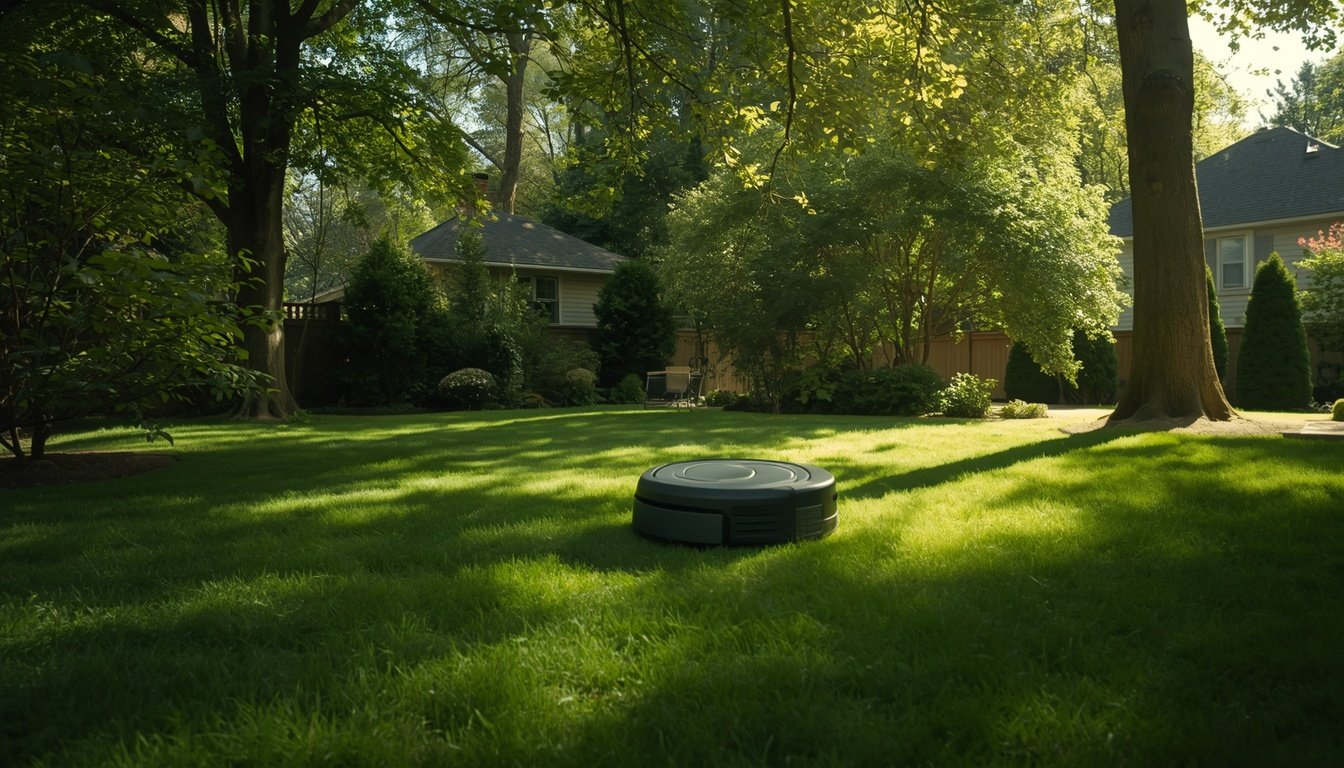
Most robot lawn mowers can technically mow during rain, but it’s not recommended for optimal performance or lawn health. While many models are designed with weather resistance, mowing wet grass risks damaging both your mower and your yard. If you want to keep your robot mower running smoothly and your grass looking its best, it’s better to let it wait until the lawn dries out a bit.
Robot Mower Functionality During Rainy Weather
Robot mowers are equipped with weather sensors and water-resistant casings to handle light moisture. Some advanced models will automatically return to their charging stations if rain is detected, avoiding wet grass. However, most robot mowers can tolerate light rain without immediate harm, assuming their electrical components are well-sealed.
Despite this resilience, mowing in the rain poses challenges. Wet grass tends to clump and stick to the cutting blades as well as undercarriage, reducing mowing efficiency and sometimes causing the mower to clog or stall. Additionally, wet ground increases the risk of the mower slipping, losing traction, or leaving ruts in the soil.
If you rely on your robot mower’s scheduling features, consider enabling its rain sensors or pausing mowing sessions when rain is expected. Regular maintenance after exposure to moisture is also important. For more about mower durability, review the article on are robot lawn mowers waterproof.
Risks of Mowing in the Rain
Mowing your lawn in rainy conditions leads to several potential issues. Wet grass can cause uneven cuts, making your lawn look patchy or ragged. This is because the mower may miss sections where the grass bends under its blades.
Wet grass and soil also greatly increase the risk of mower blades becoming clogged or jammed, which can result in sudden stops or even motor strain. Over time, repeated exposure to moisture may reduce blade sharpness and create a buildup of grass underneath your machine, requiring more frequent cleaning.
The ground itself is more vulnerable to damage when it’s wet, especially with the repeated passes of a robot mower. Soft, muddy lawns can be left with tracks or compacted soil, which negatively impacts your lawn’s future growth and health. Protect both your mower and grass by holding off during rainy periods when possible.
Best Practices for Mowing in Wet Conditions
- Enable rain sensors or use smart scheduling to avoid wet weather
- Regularly clean blades and undercarriage if mowing after rain
- Inspect the mower for any signs of water ingress
- Let grass dry before running your mower again
Following these best practices helps prolong the life of your robot mower and maintains a healthier lawn. Using smart scheduling features or manual controls lets you pause mowing when rain is likely, reducing the risk of mechanical issues and muddy tracks. Always make sure to clean your mower after it’s been exposed to wet conditions, checking both the blades and underside for clumped grass and potential water buildup. Allowing the lawn to dry out before resuming mowing will ensure a crisp, clean cut and keep your lawn mower functioning reliably.