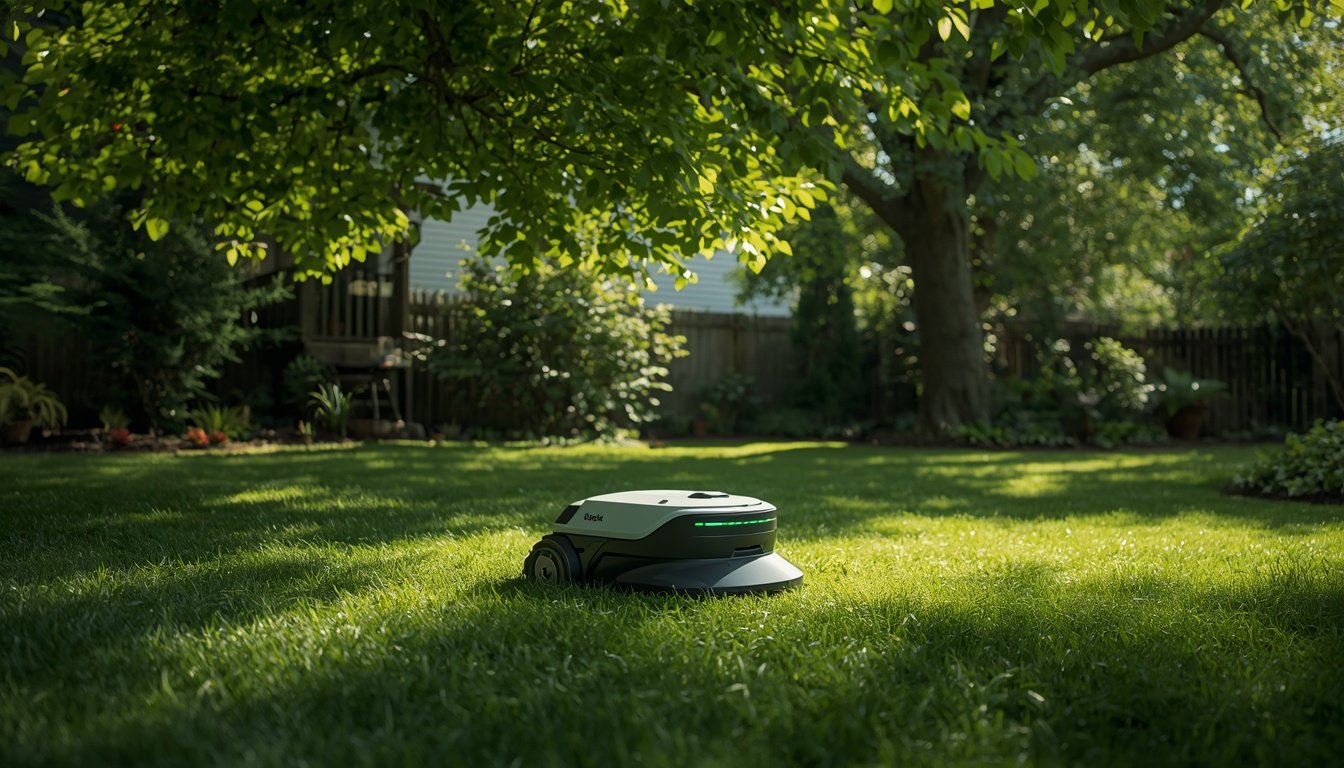
Robot mowers can get stuck in mud, especially if the ground is soft or waterlogged. Their small wheels and lightweight design often struggle for grip in muddy patches, causing the mower to spin its wheels or sink. If your lawn is prone to getting muddy, you’ll need to take extra precautions to keep your robot mower running smoothly.
Why Mud Causes Problems for Robot Mowers
Mud poses a unique challenge for robot lawn mowers. Most models have small, slick tires designed for efficiency on dry or slightly damp grass, not thick mud. When the ground is wet and soft, these wheels easily lose traction, and the robot can’t push itself forward. In lighter mud, the mower might continue moving but leave ruts; in deeper mud, it can get completely bogged down.
The design of most wire-free robot mowers only provides limited clearance from the ground, increasing the chance that mud will clog the undercarriage or wheels. Once stuck, the mower often shuts off and awaits rescue. Repeated exposure to mud can also clog sensors and affect mowing performance over time. For a deeper dive on why robot mowers get stuck, visit our dedicated guide.
This isn’t just a minor inconvenience, as constant rescues defeat the mower’s autonomous benefits and can even damage the mower if mud is left to build up.
Steps to Prevent Your Robot Mower Getting Stuck
- Improve drainage in muddy areas of your lawn.
- Schedule mowing during dry weather only.
- Lay down stepping stones or gravel patches in chronically muddy zones.
- Routinely clean the mower’s wheels and chassis.
- Adjust mowing boundaries to avoid problem spots.
Taking preventative steps can keep your mower running without frequent disruptions. Improving drainage, such as adding soil or installing drains, makes a significant difference. Setting your mowing schedule when the ground is dry reduces the risk of slippage or sinking. If some muddy spots can’t be avoided, using gravel or paving stones can offer the wheels a firmer surface. Cleaning mud from your mower regularly also ensures the sensors and wheels work properly. Lastly, smart boundary adjustments let you exclude trouble areas altogether.
What To Do If Your Robot Mower Gets Stuck
If your mower gets stuck in mud, turn it off before attempting to free it. Carefully lift the machine out, avoiding further damage to the wheels or undercarriage. Check for clumps of mud on the blades, wheels, and sensors, and clean thoroughly before restarting the mower.
Consider marking the muddy spot with stakes or flags so you can adjust your mowing map. Most models allow you to redraw boundaries via the app or onboard controls, improving future reliability. If the weather is wet for several days and mud persists, keep the mower parked until things dry out, rather than risk repeated rescues or motor stress.
It’s worth checking your mower’s manual for any built-in mud or obstacle detection settings. Upgrading wheel treads or swapping to off-road kits, if available, can also help for especially problematic yards. Act promptly when stuck incidents occur, as stuck robot mowers left in mud may suffer from corrosion or electrical issues over time.