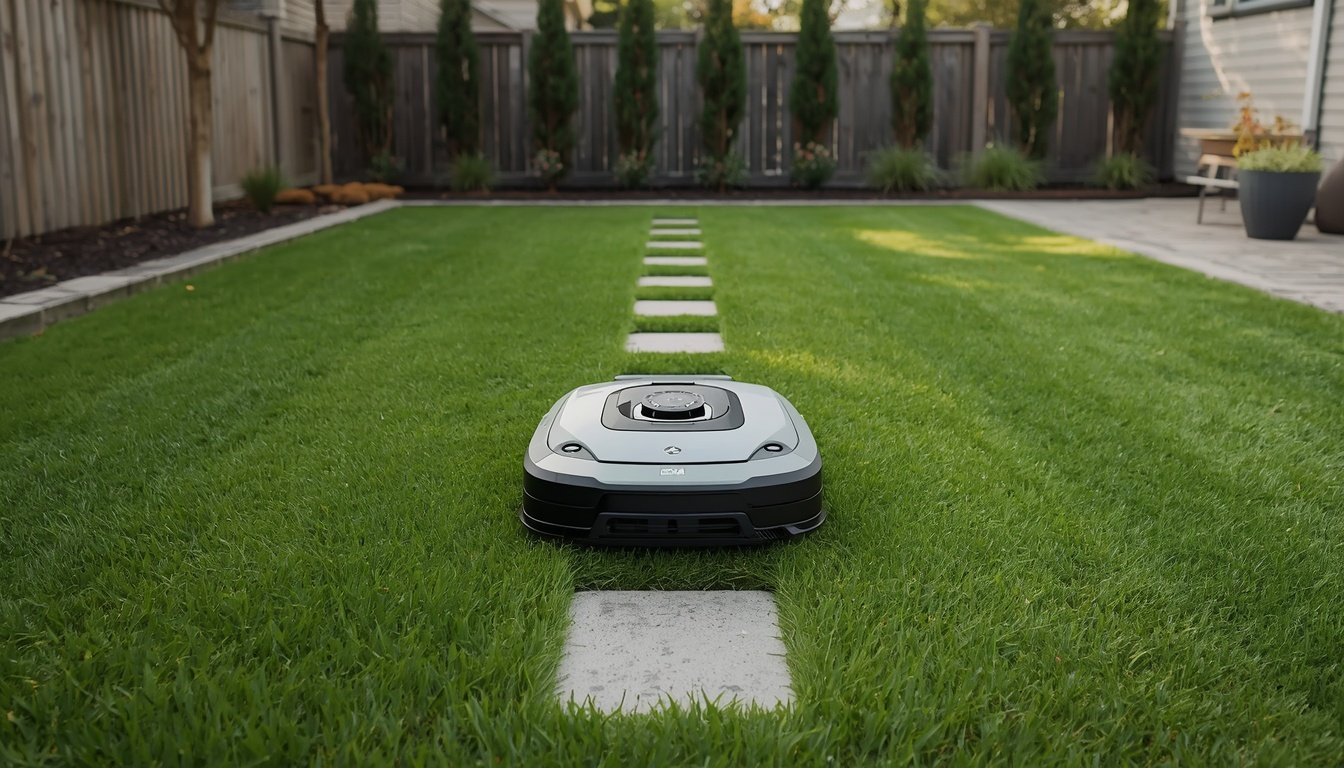
Wire-free robot lawn mowers are generally reliable, offering consistent mowing results and reducing the hassle of installing perimeter wires. Most models use advanced navigation systems such as GPS, RTK, and sensors to maintain accuracy on varied lawns. However, like any technology, their reliability depends on factors such as software updates, signal quality, and yard complexity. For those seeking a deeper technical overview, our wire-free robot lawn mower guide covers the topic in detail.
How Modern Navigation Enables Wire-Free Reliability
Wire-free robot mowers rely on cutting-edge navigation technology to operate without physical boundaries. Most use a combination of GPS, RTK (Real-Time Kinematic) positioning, and built-in sensors. This technology allows them to create virtual maps of your yard, plan efficient routes, and avoid obstacles.
GPS and RTK systems help these mowers determine their position with remarkable accuracy—often within a few centimeters. That’s a significant leap over old wire-based models. As a result, the robots can consistently follow their programmed boundaries and mow all designated areas.
Sensor technology also plays a role. Obstacle detection ensures the mower doesn’t get stuck or damaged. Many models can identify pets, toys, and even changes in the landscape, allowing for safe and reliable operation.
Even so, navigation systems can be impacted by things like tall buildings, dense trees, or radio interference. Still, the move away from physical wires has made setup and operation far more convenient, and most owners report a noticeable decrease in lawn maintenance headaches.
Factors That Affect Reliability
Not every yard is equally suited for wire-free mowers, and several variables can impact their reliability. For instance, when a mower depends heavily on GPS or RTK, signals can be disrupted by nearby tall structures or dense vegetation.
Software is another key factor. Manufacturers provide regular updates to fix bugs and improve performance. If a device’s firmware is out of date, navigation and scheduling issues can occur.
Battery life is also significant. If your lawn is large, the mower might need to return to its docking station multiple times, possibly interrupting its schedule. That can leave patches unmown unless the device is set up carefully.
User setup plays a role as well. Skipping initial calibration or map setup can lead to confusion about boundaries or missed zones. Taking time during installation will increase the mower’s reliability.
Finally, unpredictable events—heavy rain, debris, or animal interference—can temporarily reduce performance. While the technology is impressive, understanding these factors helps manage expectations and avoid unnecessary surprises.
Common Issues and Their Solutions
- Signal loss in shaded or obstructed areas
- Mistakes during initial mapping or setup
- Software glitches or outdated firmware
Signal dropouts are among the most common challenges for wire-free robot mowers. If your yard has dense tree cover, tall hedges, or metal structures, these can block or reduce GPS accuracy. Placing the charging station or base near open areas can help maximize signal reliability. Some advanced models use multi-path correction algorithms that improve signal retention even in partially obstructed areas.
Incorrect setup or calibration frequently causes missed lawn sections or boundary errors. Always follow the manufacturer’s step-by-step process, double-check virtual boundaries, and don’t rush through the mapping process. This attention to detail minimizes reliability problems from the start.
Software glitches are less common with well-supported brands, but they can still happen. Keeping the mower updated through its companion app generally resolves these issues. When problems do occur, most manufacturers offer troubleshooting resources or customer support to quickly resolve anomalies before they become larger reliability concerns.
Tips for Maximizing the Longevity of Wire-Free Mowers
- Keep firmware and apps regularly updated
- Perform routine maintenance, like cleaning sensors and blades
- Store the mower indoors during harsh weather or off-season
Staying proactive with updates is one of the easiest ways to avoid operational hiccups. Most wire-free robot mowers connect to Wi-Fi or Bluetooth, making over-the-air updates simple. Routine maintenance, like brush and blade cleaning, keeps the mower working efficiently and prevents unnecessary strain on motors or navigation systems.
Protecting the mower from extreme weather goes a long way in ensuring long-term reliability. Storing the device indoors during snow, heavy storms, or long periods of inactivity protects sensitive electronics and battery life. Following these basic steps not only reduces downtime but can extend the lifespan of your robotic mower.
Comparing Wire-Free and Wired Robot Mowers
The shift from wired to wire-free robot mowers is a major step forward for convenience and flexibility. Wired models require you to install physical perimeter wires, which are time-consuming and prone to damage from gardening or landscaping activities. Wire-free models eliminate this hassle, using software-based boundaries and allowing for quick reconfiguration if your yard layout changes.
In terms of reliability, wire-free models are generally just as dependable as their wired counterparts when used in suitable conditions. Physical wires can break or degrade over time, causing service interruptions. By contrast, wire-free systems may face occasional signal issues in complex terrains. However, they’re less vulnerable to problems caused by changing landscaping or hidden wire failures.
When weighing the two options, consider the shape and size of your lawn, presence of obstacles, and available connectivity. For many homeowners, the adaptability and lower maintenance needs of wire-free systems justify their slightly higher upfront investment compared to older wired alternatives.
The Future of Wire-Free Robot Mower Reliability
Advancements in robotics and navigation are quickly improving the reliability of wire-free robot lawn mowers. Manufacturers are actively refining GPS, RTK, and AI-powered mapping, making future models even better at handling tricky environments and unexpected obstacles. Over time, expect increased accuracy and better coverage, even in yards with lots of trees or complex shapes.
Integration with smart home systems will also contribute to reliable operation. Future mowers may adjust schedules based on weather data, detect mowing completion using advanced sensors, or alert homeowners about unexpected issues in real time. Self-diagnosis, predictive maintenance reminders, and improved route optimization are all likely to become standard features.
As technology evolves, the gap between wire-free and traditional mowers is set to close further. For now, wire-free models deliver solid reliability for most suburban and urban homes, and users can look forward to even more dependable performance in the coming years.