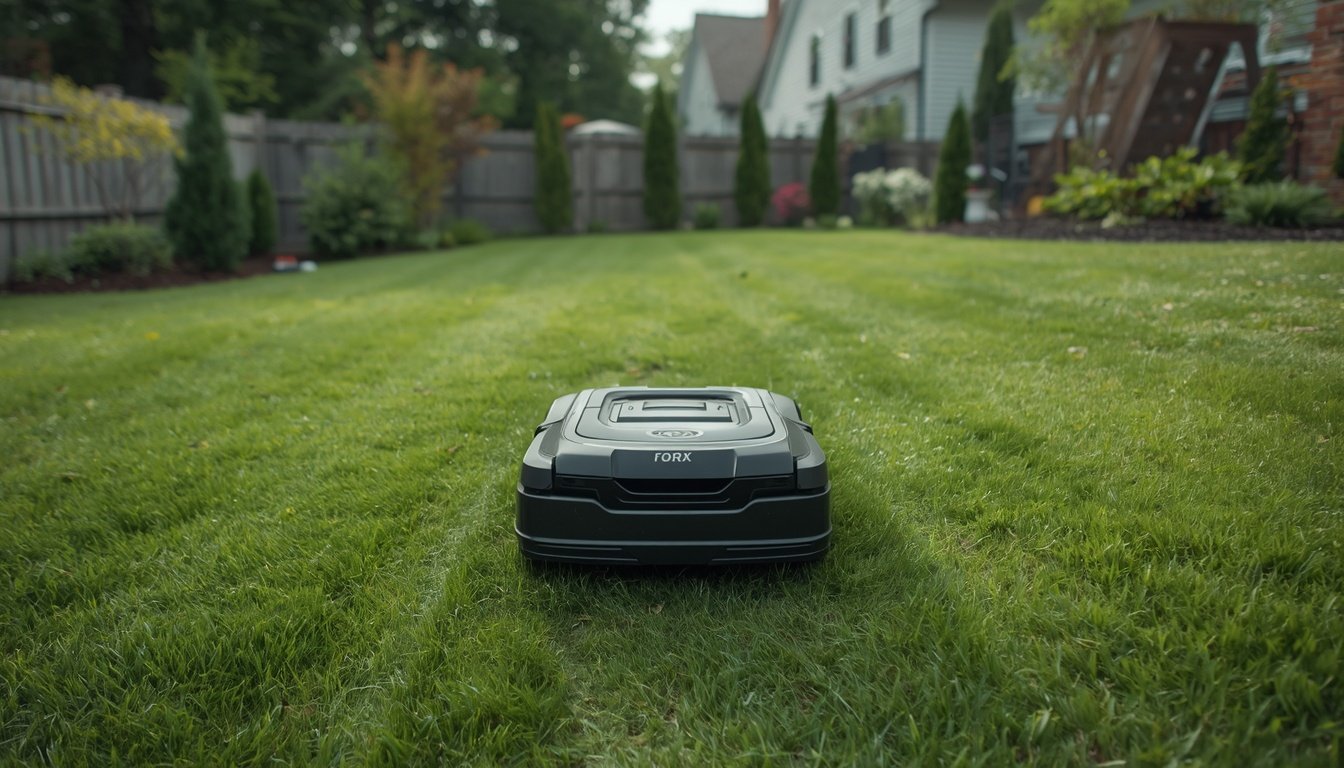
Robot mower slope ratings indicate the steepest incline a model can handle safely and efficiently. Most wire-free robot lawn mowers can manage slopes between 20% and 45%, but capabilities vary greatly across different models and brands. Understanding these ratings is essential since not every robot mower can tackle more challenging terrains, and choosing the wrong rating may lead to poor cutting and breakdowns. If you have a hilly yard, consider reviewing options like the best wire-free robot mowers for sloped lawns before making a decision. Let’s take a closer look at what slope ratings mean, how they’re tested, and why they matter for your lawn.
What Slope Ratings Mean
Slope ratings are listed as percentages or degrees and define the maximum incline a robot lawn mower can climb. A 20% slope means a 20-centimeter vertical rise for every 100 centimeters of horizontal distance, while 45% is approximately 24 degrees—much steeper and challenging for small machines.
The rating reflects not just climbing ability, but also the mower’s traction, stability, and safety. Mowers that can handle steeper pitches are usually equipped with better tires, weight distribution, and sometimes traction-assist features. These add to the cost but make a major difference if your yard includes hills or mounds.
Manufacturers test mowers on artificial sloped surfaces to ensure they meet specified incline ratings. However, real-world conditions can differ due to grass type, soil moisture, or uneven patches. That’s why it’s smart to pick a mower rated slightly higher than your steepest lawn section. This ensures reliable performance even when outdoor conditions vary.
Ultimately, understanding these ratings helps you pick a model equipped for your yard’s needs—saving you from frustration and subpar mowing results.
Main Factors Affecting Slope Performance
Several core features impact how well a wire-free robot mower handles slopes. First is the wheel design: larger, grippier wheels improve traction on steep or slippery inclines. Next is the mower’s weight distribution. Mowers with low centers of gravity and balanced layouts are less likely to tip over or slide.
The quality of the drive motors also matters. Strong rear or all-wheel-drive systems provide more climbing power. Sensor technology helps as well—advanced onboard sensors let the mower detect a steep slope and adjust speed or direction to avoid accidents. Battery power can affect performance too: on a slope, motors work harder, so a robust battery ensures consistent operation without stalling.
Lastly, obstacle detection and navigation algorithms are crucial. They keep the mower on a steady path, even on uneven rises or dips. If any of these components are lacking, your robot mower could struggle or even get stuck while mowing.
In summary, evaluate wheel design, weight balance, power, and onboard technology when choosing a mower for sloped lawns to ensure safe and effective performance.
Why Accurate Slope Ratings Matter
Purchasing a robot mower with the wrong slope rating can lead to major issues. If your mower’s rating is too low for your yard’s terrain, it may get stuck, slip, or deliver uneven cutting results. This can shorten the lifespan of the mower—motors and wheels may wear out faster, and you might need frequent repairs.
Conversely, overestimating your terrain can mean spending extra on features you don’t need. Accurate slope ratings help you strike a balance, ensuring you don’t overpay or compromise on performance. Disregarding slope levels can even void your warranty if the mower is used on steeper sections than specified by the manufacturer.
Manufacturer ratings are based on controlled tests but always leave a bit of margin. Real-world slopes might include bumps or areas with less grip than a test ramp. Always compare the mower’s max rating to the steepest section of your lawn, not just the average incline.
In the end, matching your mower’s rating to your actual landscape means fewer headaches and more reliable, hassle-free mowing.
Typical Slope Capacities by Robot Mower Tier
- Entry-level models: Usually rated for slopes up to 20–25%
- Mid-range models: Commonly handle inclines up to 30–35%
- Premium or all-terrain models: Can manage slopes of 40–45% or more
These categories help narrow your selection. Entry-level mowers suffice for gently rolling or mostly flat lawns, where major inclines are rare. Mid-range machines are designed for yards with noticeable, but not extreme, hills. For properties with very steep areas or long slopes, premium models become a necessity. These high-end mowers use heavy-duty motors, advanced tires, and may add features like all-wheel drive.
While price tends to go up with slope rating, so does reliability under challenging conditions. The right tier not only makes mowing possible but also protects your investment over time. Make sure to compare your own lawn’s blend of flat and sloped areas to these categories when deciding. A model slightly above your steepest slope is usually the safest bet, ensuring years of dependable mowing without interruption.
Considerations for Challenging Terrains
- Wet or slippery grass can reduce actual climbing ability
- Uneven ground or abrupt transitions may affect traction
- Obstacles on slopes increase the risk of mower mishaps
Even mowers with strong ratings may fall short in tough yard conditions. Wet grass can be surprisingly slick, forcing even powerful machines to lose grip, especially if wheels become muddy. Bumpy lawns or sharp changes in pitch can interrupt smooth driving and cause misreads in navigation, making consistent mowing difficult. Additionally, items like roots or stones embedded on inclines restrict maneuverability and may cause stoppages or safety shutdowns.
It’s important to walk your yard and identify any unique terrain issues, not just slope measurements. Mowing right after heavy rain can be problematic even for advanced models, while dry, compact soil usually allows ratings to hold true. If your lawn features obstacles or rapidly changing gradients, prioritize robots with robust sensors and updated navigation.
Planning for these nuances—by clearing debris, leveling key areas, and mowing when conditions are dry—can help maximize both safety and cutting quality, regardless of your mower’s headline rating.
Key Tips for Selecting the Right Slope Rating
When shopping for a robot mower, always measure your lawn’s steepest section rather than guessing or relying on visual estimates. Use a level or a smartphone inclinometer to get an exact percentage or degree. Select a mower with a rating that exceeds your steepest incline by at least a few percent as a safety margin.
Consider that manufacturer claims are based on ideal conditions—real lawns can introduce muddy patches, loose gravel, or shifting soil which all challenge climbing performance. Look for models with good tire tread and sensors, especially if your terrain has variety.
If your yard is complex, it’s wise to view reviews or ask for demonstrations on similar terrains. Don’t forget to account for non-sloped tough spots, since navigation algorithms make a difference too. For more help, check out guides for the best wire-free robot mowers for sloped lawns.
By verifying these details early, you’ll avoid buyer’s remorse and instead enjoy reliable mowing, no matter how your yard slopes.