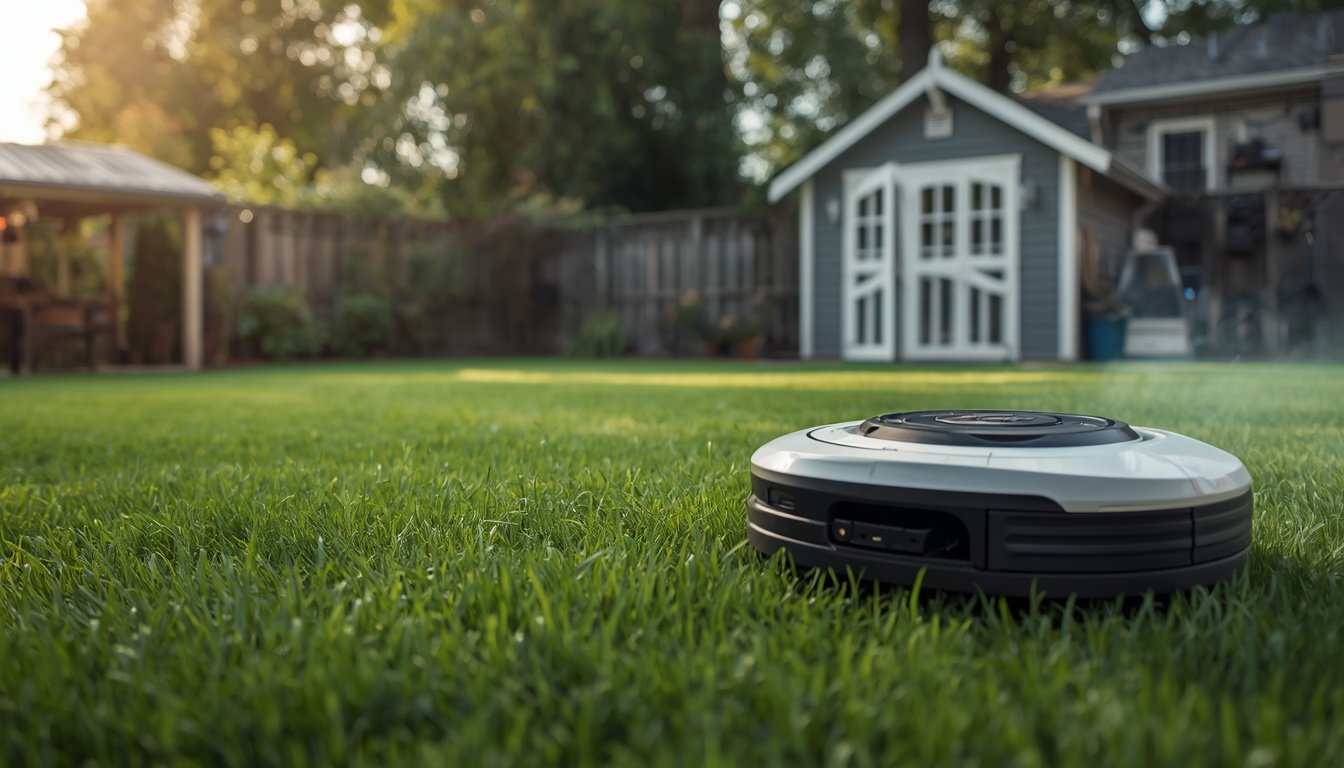
Robot lawn mowers are generally considered safe to use around pets when operated according to manufacturer guidelines. These machines are equipped with a range of safety features designed to detect and avoid obstacles, including moving animals. However, no system is completely foolproof, and supervision is recommended if pets frequently roam in the mowing area.
How It Works
Robot lawn mowers use sensors to detect obstacles in their path. Common sensor systems include ultrasonic, lift, and bump sensors that help the mower change direction when something is detected. Some models incorporate advanced detection and avoidance technology, reducing the risk of contact with animals such as dogs or cats. The blades are often recessed and automatically stop if the mower is lifted or tilted, enhancing safety.
What It Can Do
These mowers are designed to minimize risks during typical operation. Their safety systems respond to unexpected objects or movement, offering multiple layers of protection for pets in the yard.
- Detect the presence of large animals such as dogs or cats and alter course to avoid collision.
- Automatically shut off the cutting blades if the mower is tipped, lifted, or turned over.
- Move at slow speeds, giving pets or other animals time to move away from the mower’s path.
- Operate quietly, reducing the likelihood of startling pets compared to traditional mowers.
While these capabilities provide a safer environment for pets, it is still necessary to consider their behavior. Active and curious animals may be drawn to the mower, potentially putting themselves too close to moving parts. Monitoring pets during initial robot mower operation can help ensure that safety features are functioning as intended.
Limitations and What It Cannot Do
Despite advanced sensors and safety protocols, robot lawn mowers are not able to guarantee complete prevention of contact with pets. There are important limitations to their safety features and detection abilities.
- Small, very fast-moving animals or pets that suddenly dart in front of the mower may not be detected quickly enough.
- Some models lack advanced obstacle recognition and may only stop after bumping into an object, which could include a stationary pet lying in the grass.
- Very small pets such as hamsters, rabbits, or reptiles can go unnoticed by the sensors.
- Mowers are programmed for routine mowing and cannot actively distinguish between a pet and other common yard debris.
It is essential not to assume these machines will protect all animals in every situation. Supervision is advised when pets are outside during robotic mowing. For the highest level of awareness, choose models with enhanced obstacle avoidance technology, such as those listed in guides to the best robot lawn mowers with obstacle avoidance. Manual oversight remains important for safeguarding pets, especially in yards with multiple types of animals or unpredictable conditions.
When It Works Best
Robot mowers are most effective and safest around pets in specific situations. Large, open lawns where pets are easily seen and the terrain is relatively flat are ideal for sensor-based avoidance systems. Fenced areas that physically separate the mowing zone from where pets play also reduce risk. If pets are trained to avoid the mower or are indoors during scheduled mowing times, the likelihood of incidents decreases further. Regular maintenance of the mower’s sensors and blades also contributes to safe operation over time.
Common Misconceptions
There is a belief that robot lawn mowers cannot cause harm to pets under any circumstances. In reality, while rare, accidents can occur if animals approach too closely or if the technology misidentifies or fails to detect a pet. Another misconception is that all models offer the same level of safety—capabilities can vary significantly depending on the brand, design, and generation of the mower.
Final Answer Summary
Robot lawn mowers are generally safe around pets when operated as instructed and when pets are supervised, thanks to built-in sensors and safety features. However, they do have limitations and cannot guarantee absolute safety in all situations, especially with small or unpredictable animals. Responsible use, combined with an understanding of both the pets’ and the machine’s behavior, leads to the safest outcomes.