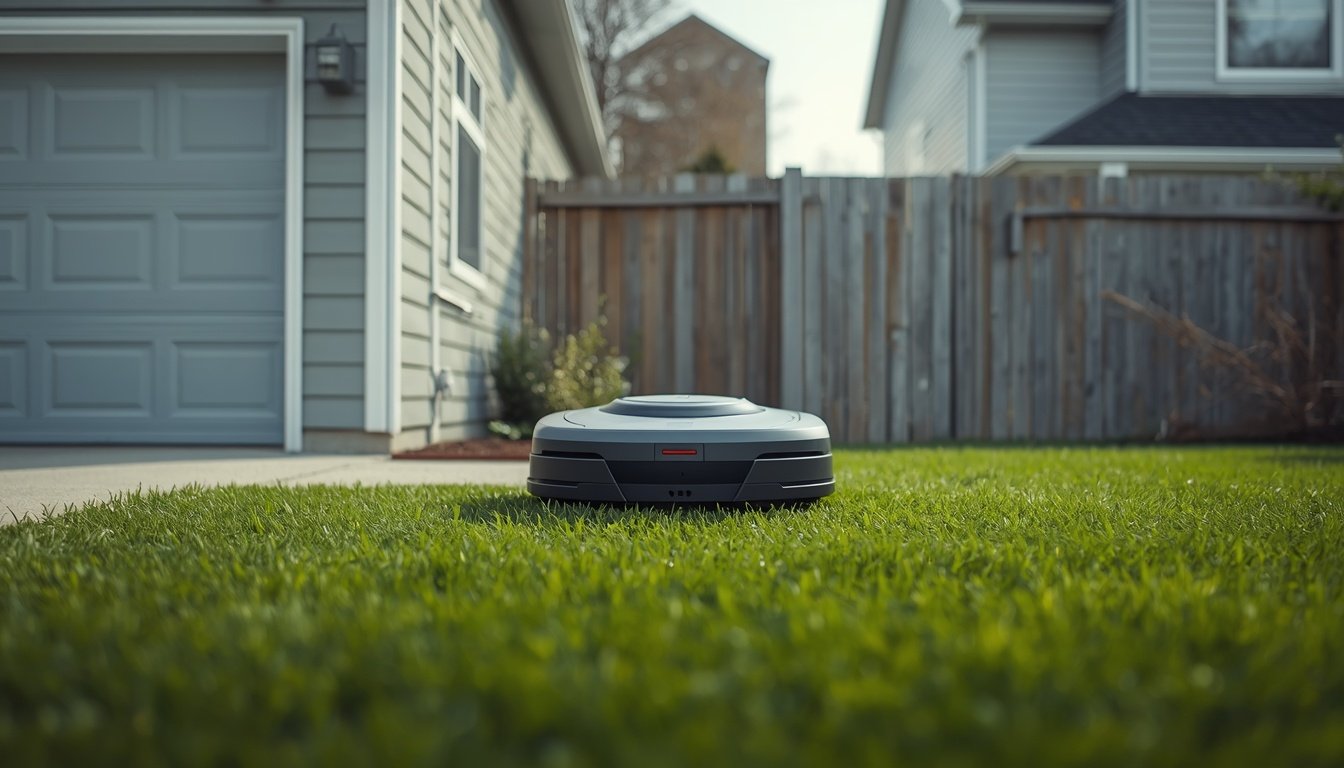
Yes, a wire-free robot mower can work effectively on an irregularly shaped lawn. Modern models use advanced navigation systems and mapping technology to handle curves, angles, and non-traditional layouts without relying on boundary wires. As long as the mower has clear access to all sections and the obstacles are not excessive, you can expect reliable mowing performance right out of the box.
Navigation Technology and Irregular Lawns
Wire-free robot mowers typically use a combination of GPS, onboard sensors, and camera-based mapping to navigate your yard. This technology allows them to create precise digital maps of the mowing area—including awkward corners, curves, or sections separated by pathways. Unlike traditional wired mowers, they do not need a physical perimeter, making them more flexible for unique lawn shapes.
Improved navigation accuracy means the robot can recognize lawn edges, avoid flowerbeds, and adapt to complex patterns. If there are isolated zones, many wire-free models can be programmed to recognize and visit these areas as part of their schedule. This adaptability is essential for homeowners with non-rectangular, multi-sectioned, or landscaped lawns that pose challenges for manual mowing or wire-based robots.
Limitations still exist when lawns are split by impassable surfaces, heavy tree cover interfering with GPS, or frequent changes to the landscape. However, for most residential needs, wire-free robots provide a practical and low-maintenance solution for irregular shapes.
Optimizing Performance on Unusual Lawn Layouts
To get the most from a wire-free mower on an irregular lawn, some preparation is helpful. First, ensure pathways connecting lawn sections are wide enough for the mower to travel safely between them. Remove obstacles such as garden tools, toys, or thick debris that might block the robot’s path or disrupt its navigation.
Programming your robot is simpler than before. Many models allow you to set up multiple mowing zones or virtual boundaries via a smartphone app instead of complicated wire installation. You can assign specific days or times for each section, letting the mower handle both larger open spaces and tight corners without extra effort from you.
Regularly check for updates to the robot’s software. Manufacturers often improve mapping accuracy and obstacle avoidance with updates, so keeping the firmware current can enhance performance over time. These small adjustments, combined with the robot’s smart navigation, make maintaining even the most unusual yards stress-free.
- Map out all lawn zones using your mower’s app
- Keep lawn edges, borders, and pass-throughs clear
- Schedule regular maintenance checks for sensors and blades
- Update software periodically for improved navigation
These steps help ensure your robot mower covers every nook and cranny, even on a non-standard lawn. With smart mapping, the need for physical boundaries is eliminated. By combining an initial setup with light ongoing attention, you maximize both coverage and mower efficiency. This approach makes wire-free robot mowing a great fit for homeowners dealing with unconventional landscapes.
Choosing the Right Wire-Free Robot for Complex Yards
Not all robot mowers are equally equipped for highly irregular lawns. Look for models known for advanced navigation—especially those using RTK GPS, vision sensors, or LiDAR for accurate mapping and obstacle detection. The best choices can handle multiple mowing zones, save virtual maps, and navigate narrow passages or interconnected yard sections with minimal supervision.
Lawn size and complexity will affect your choice. Double-check the manufacturer’s recommended maximum area and slope limits. Also, ensure the mower can remember several distinct zones, especially if your property includes tucked-away patches or wraparound grass strips. Read user reviews that mention success with odd-shaped lawns, as real-world feedback can highlight practical strengths and weaknesses.
If you want help narrowing down your options, our guide to the best robot lawn mowers for complex lawns is a helpful starting point. Taking the time to match mower features with your lawn’s specific challenges will deliver a hassle-free, wire-free mowing experience, regardless of shape.