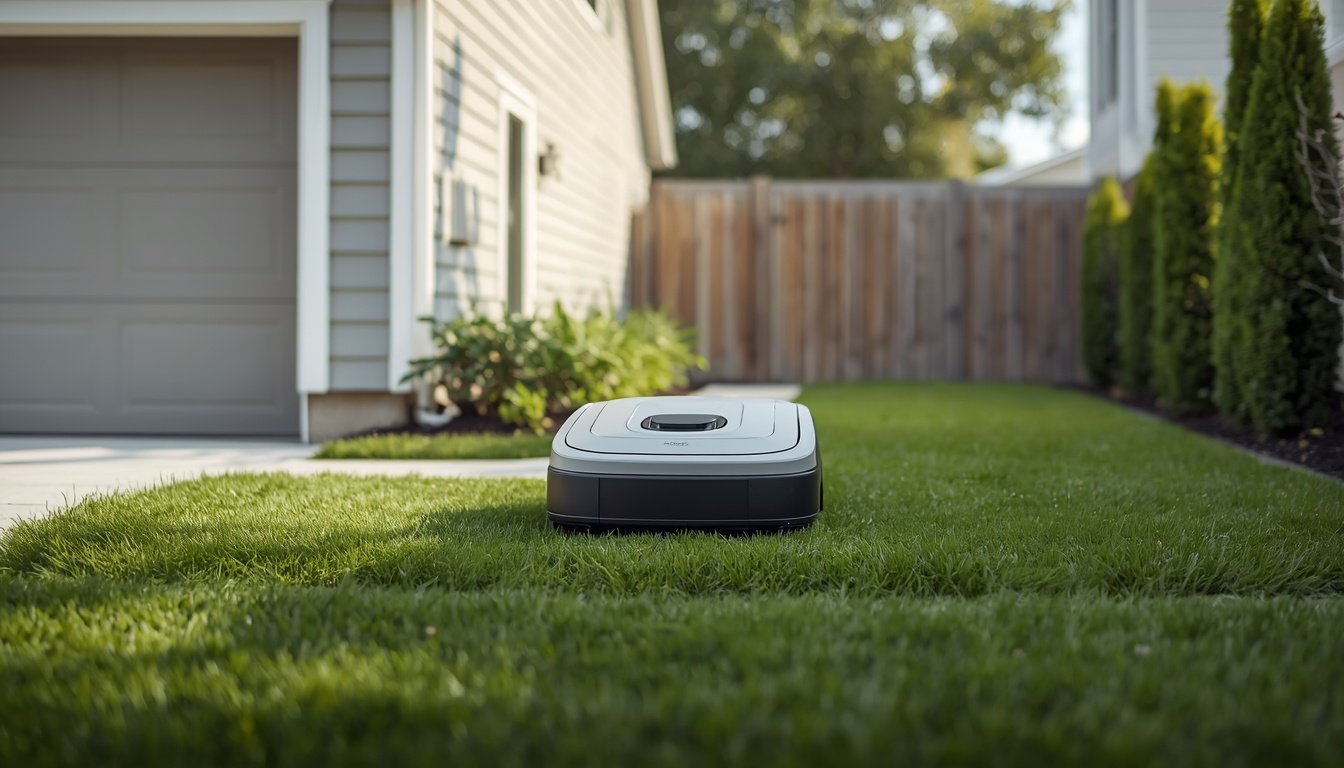
Yes, many wire-free robot mowers are capable of handling narrow passages if set up and configured correctly. Most modern models use advanced navigation systems and virtual boundaries, allowing them to traverse tight areas that would challenge traditional mowers. However, mower performance in these zones depends on the mower’s size, sensor technology, and how virtual boundaries are configured. Understanding these factors helps ensure the mower runs smoothly in passages as narrow as 60 cm (24 inches), though exact requirements vary by brand and model.
How Robot Mowers Detect and Navigate Narrow Passages
Robotic mowers without boundary wires use built-in sensors, GPS, and mapping software to recognize and adapt to garden layouts. When approaching a narrow passage, these mowers can detect reduced space via ultrasonic sensors or camera-based vision systems. They adjust their path to avoid bumping into obstacles or becoming stuck. Most wire-free models let users set virtual boundaries and guide specific routes using a smartphone app, enabling custom settings for tight spots.
Passages narrower than a mower’s minimum operating width (often about 60–75 cm) can be problematic. The mower’s wheels and blades need clearance on both sides to navigate cleanly. Obstacles like flowerbeds or garden décor may confuse the sensors if left within the passageway. Careful setup, including the placement of virtual fences and mapping routes through the app, increases the mower’s reliability in these spaces. Routine software updates may further improve obstacle recognition and navigation in real-world use.
Practical Tips for Optimizing Mower Performance in Tight Areas
- Choose a mower specifically designed for complex or small gardens.
- Use the app to create precise virtual boundaries for each passage.
- Keep pathways clear of loose objects or clutter.
- Test different mower settings for speed and turning radius.
- Monitor initial runs to spot navigation issues early.
Selecting the right mower model matters most if your yard has several narrow walkways. Clearing debris regularly prevents confusion or jams. Adjusting speed and turn settings helps the mower maneuver more fluidly in tight sections. When using an app, take time to draw boundaries carefully. Watch a few test runs to see if the mower hesitates, misses grass, or gets stuck—many problems can be fixed with small tweaks to the path or settings before settling into a normal mowing routine.
When to Consider a Different Mower or Layout
If narrow passages in your garden are less than 60 cm across, even top-tier wire-free mowers may struggle. Consistent clogging or repeated missed spots in these tight areas signal it may be time to reconsider. In such cases, adjusting your lawn’s layout—like widening pathways or relocating garden features—can help your mower perform better.
For spaces packed with obstacles or sharp turns, some robot mowers offer better navigation algorithms or compact body designs. Comparing models designed for complex lawns is a good place to start. Consult guides like best robot lawn mowers for complex lawns to see which units are recommended for tricky passages. Upgrading to a more suitable model or optimizing your garden space ensures smoother and more complete coverage, saving you time and frustration over the mowing season.