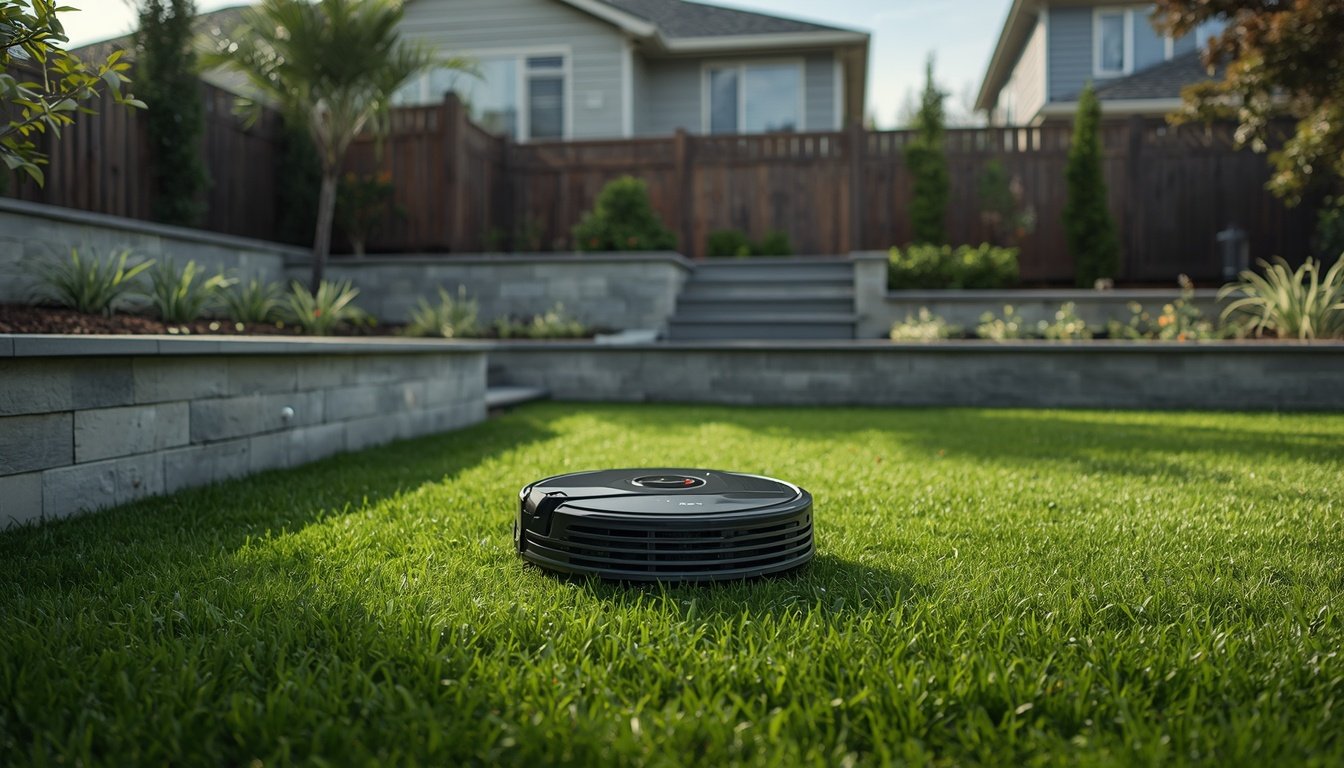
Most wire-free robot lawn mowers break even on their costs within 2–4 years, depending on local labor rates and your mowing habits. This payback period can be faster in areas where professional lawn care is expensive, or a bit longer if you handle your own mowing and maintain outdated equipment. For homeowners wondering are wire-free robot mowers worth the cost, calculating payback means comparing your current lawn care expenses to the up-front investment in a robot mower and its low ongoing costs.
Initial Costs vs Ongoing Savings
Switching to a wire-free robot lawn mower involves a higher initial cost—typically between $1,000 and $2,500 for the machine itself. This is a one-time purchase, but you also have installation materials and, potentially, professional set-up fees. After this investment, operating expenses drop sharply compared to regular lawn mowing services or even maintaining a traditional gas mower.
The real savings start to accumulate when you factor in the costs you’ll avoid over time. A robot mower’s main ongoing expenses are electricity for charging, replacement blades, and rare repairs. Most owners report spending less than $50–$100 per year on upkeep for a robot mower. By contrast, regular maintenance and fueling of gas mowers or paying a mowing service quickly surpass these minimal robot mower running costs.
Depending on how much you currently spend on mowing each season, your breakeven timeline shrinks or stretches. Homeowners who previously paid weekly for a lawn service can see payback in as little as 18–24 months, while DIYers may take closer to the 3–4 year mark to recoup their investment. Still, ongoing savings accumulate every year after payback is reached.
What Determines Your Payback Time?
- Current lawn care expenses
- Robot mower model and price
- Lawn size and frequency of mowing
Your payback period depends a lot on what you currently spend for lawn care. If you hire a pro service, the switch to a robot mower typically pays for itself much faster. Your chosen robot mower model and its price also greatly impact the timeline—the higher the up-front cost, the longer until you break even.
Lawn size and mowing frequency matter as well. Larger yards or those that require frequent cutting offer greater savings because the alternative costs—whether labor, fuel, or time—are higher. Robot mowers work autonomously and don’t charge by the hour, so the more you would typically pay for mowing, the more quickly the investment pays off. Homeowners with small lawns and minimal current expenses might see a slower return but still benefit over the long haul due to the low cost of ownership after the initial purchase.
Hidden Value: Time, Convenience, and Lawn Health
The financial math is clear, but wire-free robot mowers bring extra value that goes beyond strict dollars and cents. Each season, they free up dozens of hours you would otherwise spend pushing a mower or coordinating with a lawn service. This freed-up time can be extremely valuable to busy families or anyone who prefers leisure over yard work.
Convenience is another hidden benefit. Robot mowers can operate on your schedule and keep your lawn consistently neat without any nagging or reminders. Over time, many users find they never have to worry about overgrown grass or missed cuts—rain or shine, your robot keeps working as programmed.
Lawn health often improves as well. Because robot mowers cut frequently, clippings are finer and return nutrients to the soil, resulting in thicker, greener grass. In the long run, this can reduce the need for fertilizers and hassle, adding subtle savings and value that further shorten the true “payback” period.
Annual Cost Comparison Examples
- Professional mowing services: $1,200–$2,500/year
- Traditional DIY mowing: $300–$600/year
- Wire-free robot mower: $50–$100/year after purchase
Professional service rates vary, but many households pay between $25–$60 per weekly mow. Over a season, costs add up quickly. Even DIYers spend significant money each year on gas, oil changes, blade sharpening, and repairs. In contrast, a robot mower’s ongoing expenses rarely rise above the cost of new blades and a bit of electricity—even with heavy use.
This cost gap explains why payback can come quickly, especially for those currently paying for service. Even households that mow themselves will see the robot pay for itself over time, especially with rising fuel and labor costs. These numbers illustrate how the wire-free mower’s lifetime savings stack up—after a modest initial investment, you pay little and gain a ton in return.
Maximizing Savings—and Avoiding Costly Mistakes
Getting the fastest ROI depends on the right setup and making smart choices. Choose a robot mower that matches your lawn’s size and complexity—don’t overpay for a model with features you won’t use. Self-installation is usually quite manageable for wire-free models thanks to app-based setup and GPS mapping, saving you even more if you skip professional installation.
Stay on top of basic maintenance like cleaning wheels and replacing blades regularly. This keeps efficiency high and avoids expensive repairs. If your yard has obstacles, plan your virtual map carefully so your robot runs efficiently; inefficient programming leads to wasted time and extra wear, which could eat into savings.
Lastly, keep the robot protected from theft or weather damage. Some homeowners opt for mower garages or security stakes to keep their investment safe. These simple steps help ensure your robot delivers years of low-cost service and pays for itself as quickly as possible.
Making the Payback Calculation for Your Yard
To calculate payback for your home, list your current annual mowing expenses and compare them to the robot’s total cost (including install and accessories) plus yearly operating costs. Divide the robot’s total cost by your annual savings to get the payback time in years. If your savings are big—say you’re switching from a service—the timeline is shorter. For DIYers, the calculation shows a longer but still worthwhile payoff.
For a real-world example, if you currently spend $1,500 a year on lawn services, and your robot mower setup costs $2,000 with $80/year ongoing, your payback is roughly 1.4 years. After that, nearly all future mowing is essentially free. If you want more info on how wire-free models compare to other solutions, see our guide about are wire-free robot mowers worth the cost.
Factoring in intangible benefits like time savings and a consistently great lawn can make switching even more appealing. Once you add up the numbers, most homeowners find that going wire-free delivers steady financial and quality-of-life returns long after the initial investment has paid off.