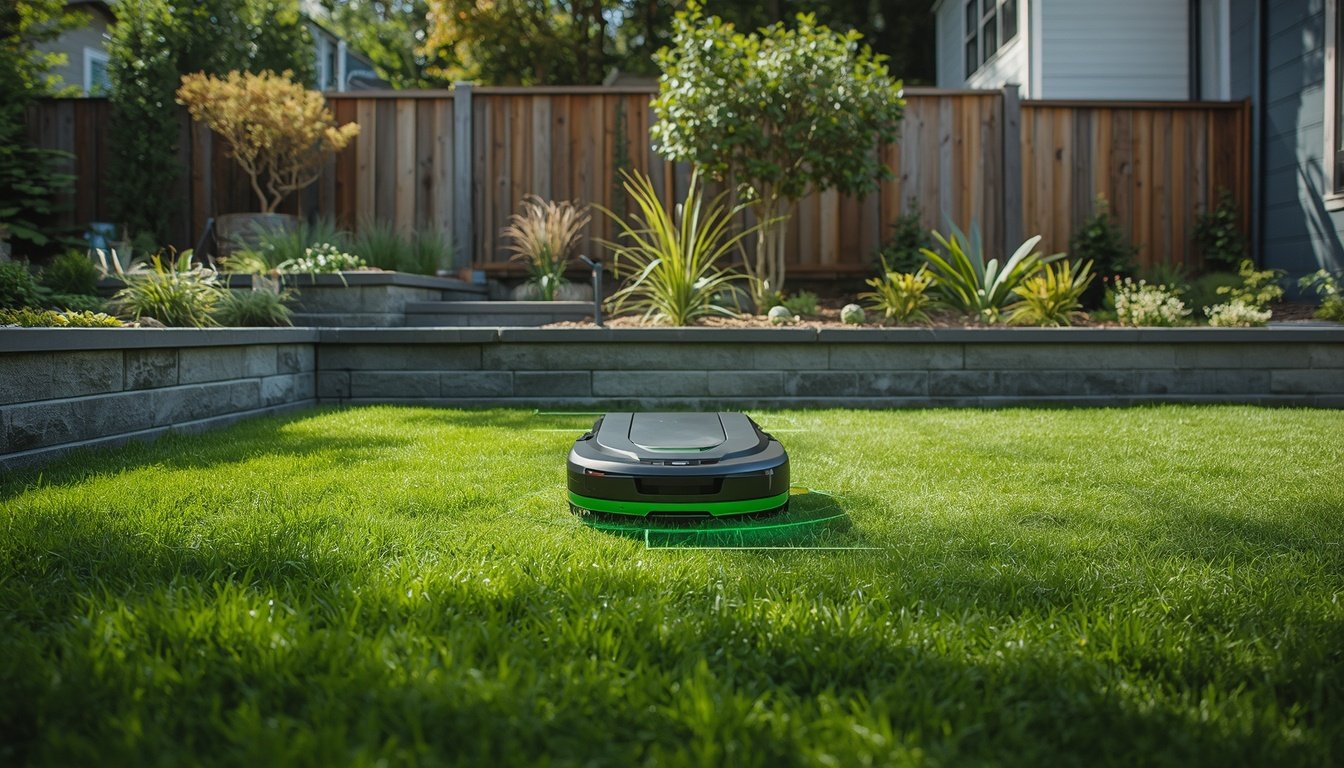
The typical cost for a wire-free robot lawn mower ranges from $900 to $2,500, with most mid-range models landing between $1,200 and $1,800. Pricing varies based on features, lawn size compatibility, and brand reputation. Many homeowners find these automated mowers can pay for themselves compared to recurring lawn service costs, but you should consider additional factors like installation, maintenance, and potential extra purchases before making a decision. If you’re still weighing your options, you may want to explore if are wire-free robot mowers worth the cost for your property and needs.
Upfront Price Breakdown
The initial purchase price of a wire-free robot lawn mower depends on several key factors. Entry-level units, designed for smaller yards (up to about 0.25 acres), typically cost between $900 and $1,200. If your property is larger or has more complex landscaping, expect to spend $1,500 to $2,500 or even more on a mower with greater capacity and more advanced navigation features.
Extra features like app control, voice assistant integration, multi-zone programming, and rain detection sensors may drive prices higher. Premium brands are often priced above average because they offer superior durability, stronger batteries, and user-friendly connectivity. While wire-free mowers eliminate the need for labor-intensive boundary wire installation, their technology does mean a slightly higher entry price compared to conventional robot mowers requiring wires.
It’s important to factor in any immediate accessories you might need. Some brands include everything for setup, while others sell charging stations, extra blades, or spare batteries separately. Shopping around for seasonal discounts or bundles can save you $100 or more. Remember, you’re paying for convenience and long-term labor savings in addition to advanced mowing technology.
Operating and Maintenance Costs
Once you purchase a wire-free robot mower, ongoing expenses are generally moderate. Electricity use is minimal—typically less than $25 per season—since these mowers use highly efficient batteries. Battery replacement is the largest periodic cost, usually required every two to four years and ranging from $100 to $400 depending on battery size and type.
Regular maintenance includes cleaning cutting decks and sensors, swapping out blades every couple of months (a $10–$25 expense), and checking the wheels or treads for wear. Most homeowners can handle these jobs with basic tools and a little instruction, keeping service technician visits rare and costs low.
Some manufacturers recommend occasional software updates, which are usually free and delivered over Wi-Fi or through an app. If your mower operates in tough conditions, like sandy soil or lots of obstacles, expect slightly higher wear and more frequent replacements of blades or wheels. Still, compared to fueling, servicing, and storing a gas mower, robot mower maintenance remains simple and cost-effective for most users over the machine’s lifetime.
Factors That Affect Total Cost
- Lawn size and complexity
- Desired features and connectivity
- Brand reputation and warranty coverage
The total amount you’ll spend on a wire-free robot lawn mower depends a lot on the size of your lawn and how demanding your landscape is. Larger yards need more powerful mowers, which cost more. If your lawn includes slopes, tight corners, or many obstacles, you might pay a premium for a model with advanced navigation and mapping abilities.
Your preference for features also matters. Options like GPS tracking, multi-zone programming, or smart-home integration typically add to the price. Choosing a reputable brand with solid warranty coverage usually means a higher up-front payment, but can reduce long-term repair or replacement expenses.
Finally, where you buy your mower and the time of year can influence what you pay. Retailers sometimes offer spring or end-of-season markdowns. Consider all these variables to get the best value for your needs, balancing performance, convenience, and reliability against the total expected cost.
Hidden and Optional Extras
It’s easy to focus on the list price, but you should also be aware of less obvious expenses. Some homes may require small landscaping changes to remove hazards or boundary confusion before the mower operates safely. If your Wi-Fi coverage is weak in your yard, you might need a signal extender for reliable app connectivity.
Add-ons like garage covers for the robot or upgraded battery packs offer protection and longer runtimes, but increase the total cost by $100–$300. Depending on your climate, you might invest in high-durability tires, rain covers, or seasonal storage solutions. Extended warranties and theft insurance are available for an additional fee but are optional.
You may also be tempted by accessories such as perimeter beacons or extra tools to customize mowing zones for gardens or playgrounds. These are largely optional, but in certain situations could be crucial for smooth automated operation. Budgeting for these extras helps ensure you’ll be satisfied with both performance and convenience.
Long-Term Savings Compared to Traditional Lawn Care
- Lower lifetime maintenance costs
- Energy savings over gas mowers
- Potential to replace lawn service fees
For many users, the biggest appeal of a robot mower lies in its long-term financial benefits. Ongoing maintenance costs and blade replacement are far lower than owning a gas-powered mower or hiring a weekly lawn care service. A robot mower can also help cut your energy use, as it relies on a single battery charge versus gasoline or frequent manual use.
If you typically spend $40–$70 per week on a professional mowing service, a wire-free robot mower can pay for itself within just a couple of seasons. You’ll also avoid the hassle and costs of fuel, oil changes, and heavy lifting. These savings become more impressive the longer you own the mower—especially as robot mowers require minimal effort to keep running compared to traditional options.
Evaluating these points can help you see the big picture: while the up-front price is significant, the long-term investment may really pay off.
Making an Informed Choice
Shopping for a wire-free robot lawn mower requires balancing initial price with recurring and long-term factors. Think about the size and shape of your yard, your budget for both up-front and ongoing costs, and which convenience features matter most to you. Researching brand reputation, warranty terms, and user reviews can help clarify value beyond what you see on the label.
Test-drive models at local retailers or consult online communities for real-world feedback on performance and durability. Don’t forget to weigh potential extras like covers, batteries, and extended warranties—these add security and convenience, but also to your total investment. Upgrading your Wi-Fi or making landscaping tweaks up front can streamline setup and boost results, so keep those potential costs in mind.
In the end, the right robot mower should offer the best mix of cost, performance, and reliability for your unique yard. Careful cost analysis ensures you invest in a machine that fits your needs today while delivering value for years to come.