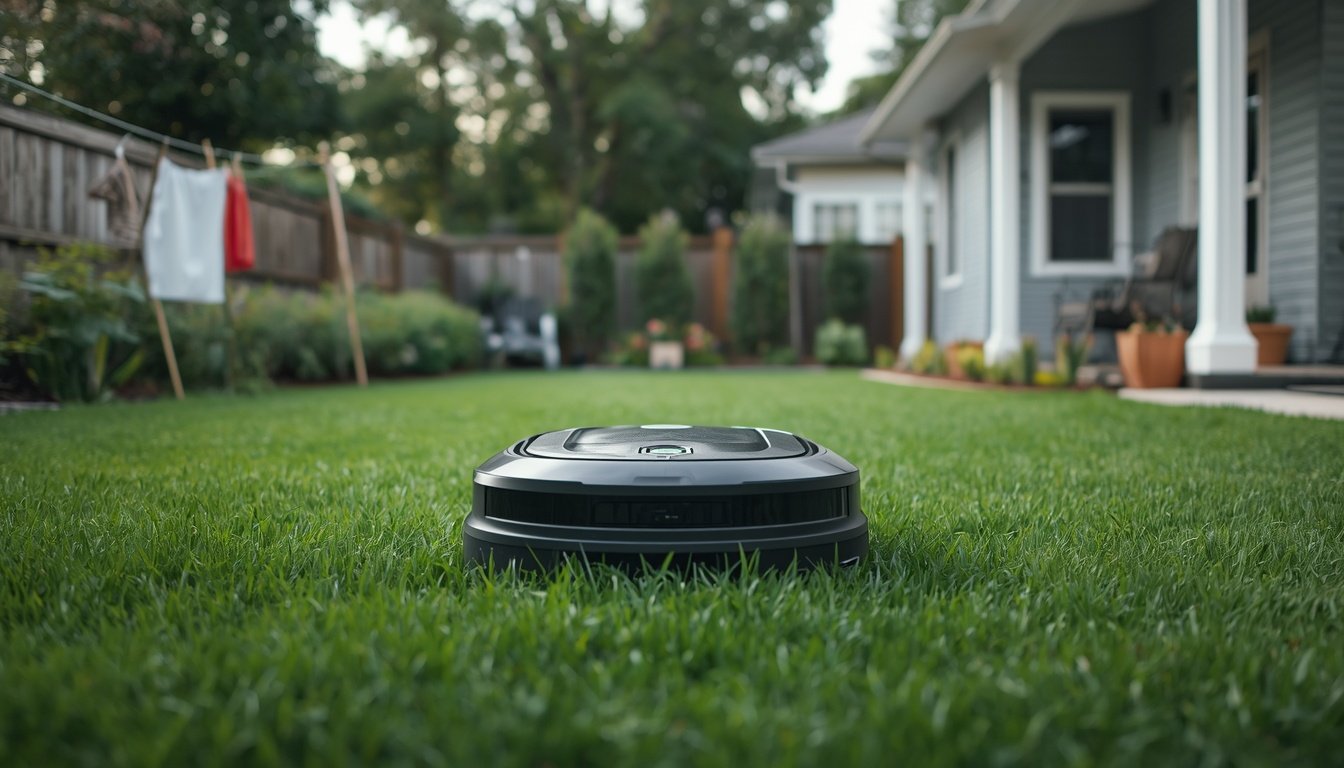
Comparing the cost of robot lawn mowers with traditional lawn service is a practical starting point for homeowners weighing their options. In many cases, a wire-free robot mower represents a significant upfront expense, but the ongoing cost of hiring a mowing service can add up quickly. Understanding which approach best matches your yard, lifestyle, and financial priorities is key before making a decision.
Why It Matters
Choosing between a robot lawn mower and a lawn service isn’t just about the price tag. Each option offers different benefits that may fit your individual needs better. Robot mowers promise convenience and long-term savings and give you more control over your schedule. Lawn services reduce your workload without requiring any tech know-how, but the costs are recurring and can increase over time.
Factoring in your available time, willingness to maintain equipment, and how much you value a consistently manicured lawn all come into play. For many, this isn’t purely a numbers game—it’s about balancing the value of convenience versus the predictability of a professional service.
Most Important Features to Prioritise
When evaluating wire-free robot lawn mowers as an alternative to ongoing lawn service, certain features should take precedence. Focusing on what matters most will help you avoid overpaying for extras you might not use. These factors are especially relevant when cost is a deciding element.
- Reliability and navigation: Look for models with robust autonomous navigation to minimize the amount of intervention you’ll need for stuck or missed spots.
- Battery life and charging convenience: Ensure the mower can handle your yard size on a single charge, or that it recharges automatically.
- Cutting performance: Blade design and adjustable height matter for achieving a consistent cut that matches or exceeds manual service standards.
- Ease of setup and maintenance: Simpler installation and low-maintenance operation make a wire-free model a more practical replacement for a weekly service.
Prioritizing reliability and performance in a robot mower often means you’ll get a better ownership experience and more value. These are the features that directly impact whether a robot mower can reasonably take on the job of a professional service. If these fundamentals are lacking, cost savings alone may not make up for gaps in performance or extra weekend headaches.
Features That Matter Less for Most People
While exploring robot lawn mowers, it’s easy to be drawn in by advanced features that sound impressive but rarely affect day-to-day use. For most homeowners, focusing too much on these extras can obscure the real cost/benefit balance compared to hiring a service.
App-controlled scheduling, rain sensors, and multi-zone support can be helpful in specific situations, but aren’t necessary for a typical suburban yard. Ultra-quiet operation and integration with home automation platforms are other common selling points that may not justify added expense unless you have unique needs or preferences. Unless your lawn presents challenges like complex borders or frequent obstacles, these features are less likely to influence the overall value you get.
Sticking to core features means you’re not paying for technology that sits unused. Keeping your decision aligned with your actual needs can help make a potential switch from lawn service to automation more cost-effective and straightforward.
How to Match Features to Your Situation
Choosing between a robot mower and lawn service—and picking the right wire-free model if you go that route—comes down to assessing your specific yard needs and lifestyle. Not every homeowner will prioritize the same things. Start by considering yard size and shape, as this will determine the minimum power and battery capacity you’ll need for reliable performance.
Think about how much time you currently spend managing your lawn (either directly or through organizing service visits). If you want to minimize hands-on effort long-term, focus on models that operate with true autonomy and minimal oversight. On the other hand, if you struggle with sloped or oddly shaped lawns, check that any mower under consideration is designed for those challenges; otherwise, a human service may be less frustrating in the long run.
A further step is to compare not just upfront purchase costs, but expected maintenance and repair needs versus the ongoing price of lawn service. For a more detailed cost-of-ownership breakdown, you may want to review guides like are wire-free robot mowers worth the cost to understand the payback timeline and help match features to your budget over time.
In summary, the better your mower’s capabilities match your yard requirements, the more likely you’ll see real savings and satisfaction compared to hiring out your mowing. This matching process is especially important as the landscape of features and prices continues to change.
Final Thoughts
The central consideration is whether a wire-free robot mower can reliably do the job of a lawn service for your unique situation. For many homeowners with standard yards, making a switch can mean meaningful long-term savings—but only if you prioritize the right features and avoid unnecessary extras. Conversely, if your lawn is unusually challenging or if you value absolute hands-off convenience, a professional mowing service might still make sense despite the recurring costs.
Taking the time to weigh total costs, feature importance, and compatibility with your property will help you make a confident, informed decision. The right approach is highly individual—there is no one-size-fits-all answer. But with practical expectations and careful evaluation, either path can deliver a neat, well-kept lawn with less hassle than you might expect.