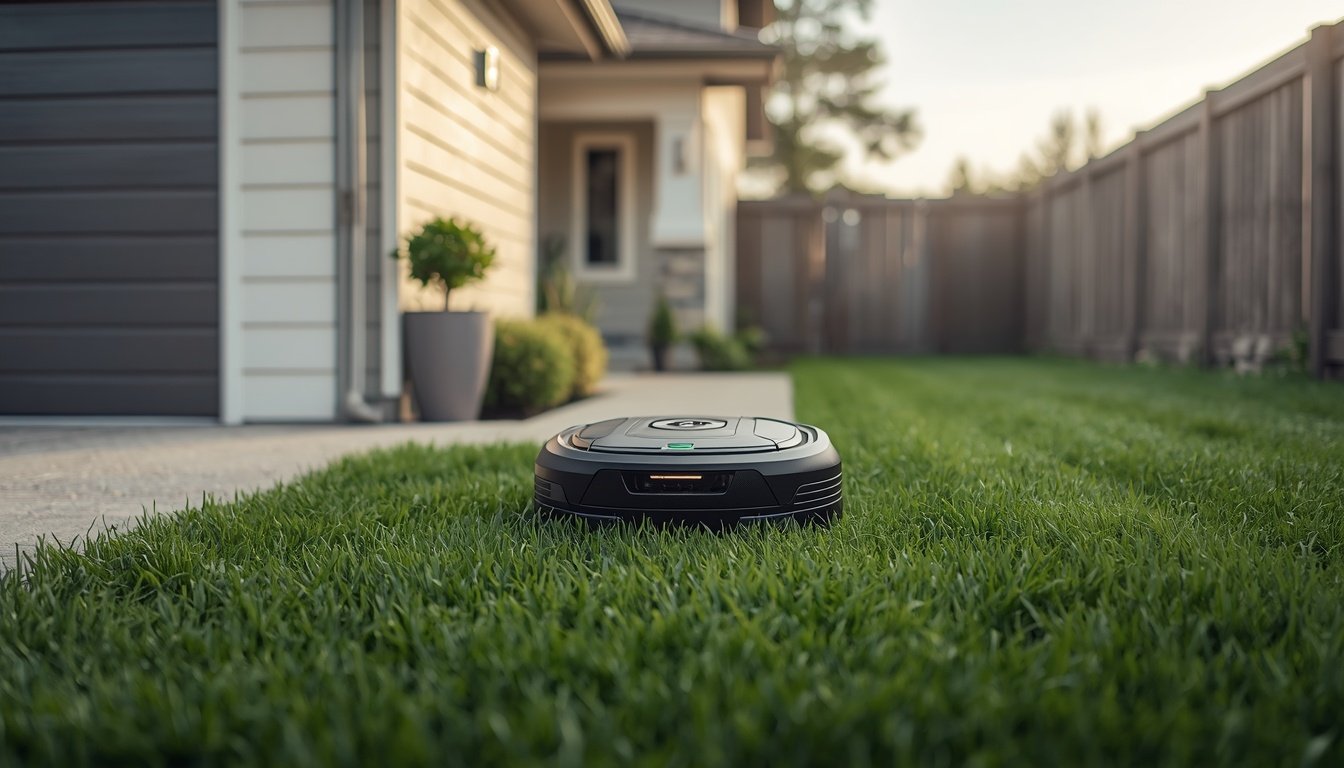
Yes, many modern robot lawn mowers can cross a path, but their success depends on the type of path, mower features, and setup. If the path is level with the surrounding grass and not too wide, most wire-free models can move across it without issue. However, tall curbs, loose gravel, or significant height differences can prevent a clean crossing, so your results will vary depending on your yard’s details.
What Determines If a Robot Mower Can Cross a Path?
The primary factors are the path’s surface, width, and border height. Smooth, narrow paths—especially those flush with the lawn—pose fewer problems. Robot mowers with larger wheels and higher ground clearance perform best on such paths. If a path uses loose stones, sharp decorative edges, or dramatic elevation changes, your mower may become stuck or veer off course.
Advanced navigation technology also plays a role. Wire-free models equipped with smart mapping or sensors can sometimes recognize and traverse paths with more agility than boundary-wire versions. However, even intelligent models have trouble if the path is more than about 12 inches wide or much taller than the mower’s wheelbase.
Weather can also impact performance. Wet stone or slippery pavers might affect traction and sensor accuracy. If you’re planning to automate mowing across multiple zones, consider multi-zone wire-free robot mowers designed to handle more complex yard layouts.
Best Practices for Robot Mowers and Paths
- Ensure the path is as level as possible with the grass on both sides
- Keep the width of the path under 12–16 inches for reliable crossing
- Avoid loose gravel that can trap wheels or confuse navigation sensors
- Opt for flush pavers or concrete that matches the lawn’s height
- Routinely check for stuck debris or moss that may impact mower traction
Following these best practices improves crossing reliability. Level, narrow paths make it much easier for a robot mower to travel between zones without assistance. Loose gravel or deep gaps create obstacles even for the smartest models. Opting for stable materials like concrete, brick, or closely set pavers gives the mower better grip and guidance. Regular inspection to keep paths clear prevents hiccups, keeping your mowing automation running smoothly throughout the season.
Tips for Planning Path Crossings and Troubleshooting
If your robot mower struggles with a specific path, there are practical fixes. Installing rubber strips or transition mats sometimes helps fill shallow gaps. Adjusting your mower’s route or programming can also improve consistency—many wire-free models allow for virtual boundaries and direct zone transitions.
If the mower routinely gets stuck or turns back, check the wheels and path for debris or changes in elevation that could block progress. Lowering drive speed settings or selecting a different mowing schedule (like waiting until after rain) can also make a difference, as wet or slick surfaces are more challenging for most mowers to traverse.
Lastly, maintaining a consistent path material from one lawn area to another simplifies navigation. If significant issues persist, consult your mower’s app or manufacturer’s support to see if custom mapping or firmware updates could improve crossing results. With a few adjustments, most wire-free robot mowers can handle typical garden paths reliably and independently.