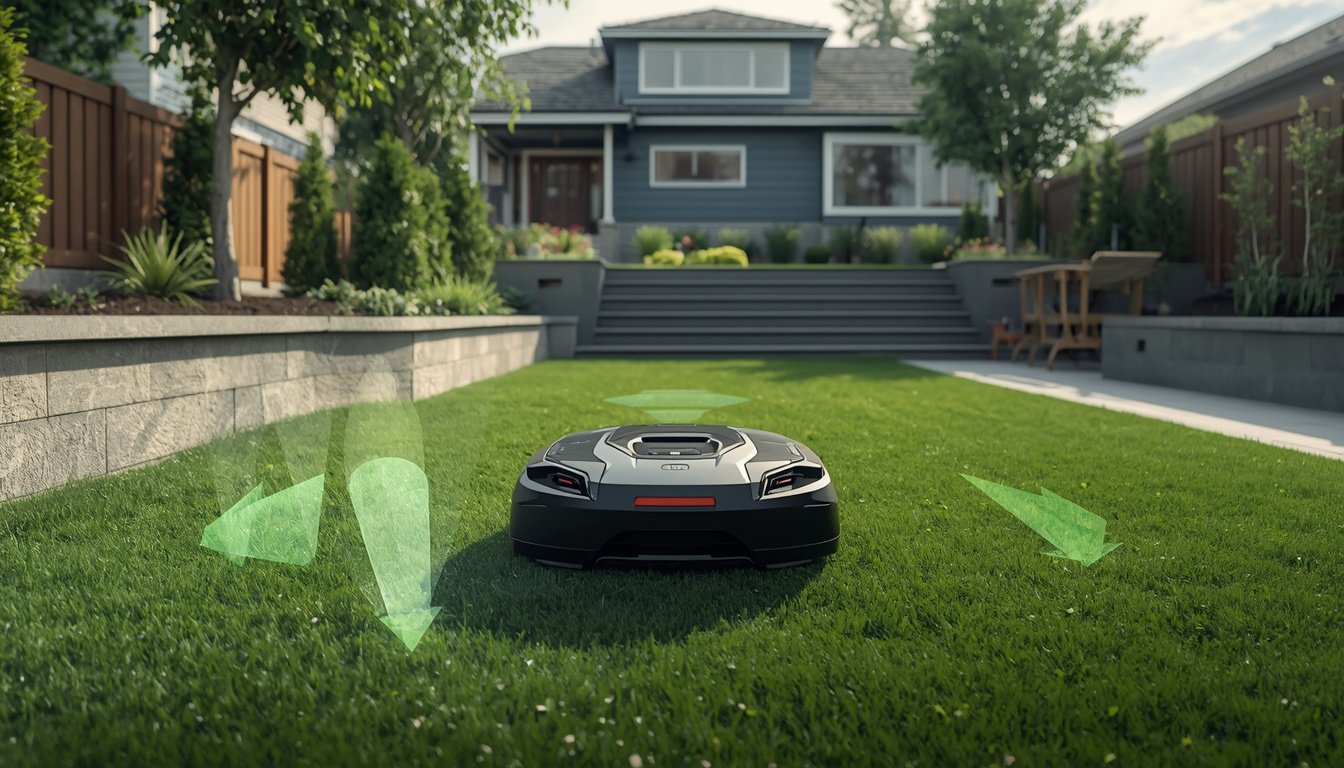
Wire-free robot mowers promise easy installation and hassle-free lawn care, but they come with several hidden costs buyers often overlook. The main expenses aren’t just about the upfront price; ongoing maintenance, connectivity requirements, and software subscriptions can add up. If you’re evaluating if these mowers deliver value, it’s wise to research not only their convenience but also their long-term financial impact. For a more detailed cost comparison, see our guide on are wire-free robot mowers worth the cost.
Initial Purchase: What’s Really Included?
The sticker price of a wire-free robot mower usually covers the mower itself, the charging station, and sometimes a few spare blades. However, this package often leaves out several essentials. Many models require you to separately purchase a compatible smartphone or tablet for setup and control. If your property has complex landscaping or multiple zones, optional accessories or mapping upgrades may be needed.
Retailers rarely highlight these hidden extras when advertising “all-in-one” solutions. Some brands even charge additional fees for app access beyond the basic setup features. Warranty upgrades, which can be wise for a device intended to run outdoors for years, aren’t always included and can raise your first-year investment.
Shipping and installation assistance also come with fees if you want professional help. The true all-in price, once these factors are considered, typically exceeds the base model on the box. Understanding exactly what comes with your initial purchase—and what’s left out—prevents surprises as soon as you unbox your new mower.
Connectivity and Subscription Fees
Wire-free robot mowers leverage GPS, cellular, or Wi-Fi signals for navigation and updates. This technology boost is convenient but shifts maintenance into the digital realm. Many units require an active data connection for advanced features like remote scheduling, anti-theft tracking, and map storage. Manufacturers frequently bundle free connectivity for the first year but introduce monthly or yearly charges after this trial period expires.
Some premium services are locked behind app subscriptions that range from a few dollars to more substantial fees. If your mower lacks reliable Wi-Fi signal outdoors, you may need to invest in network extenders or even pay extra for built-in cellular SIMs. These recurring costs turn lawn care from a simple purchase into a subscription-based service, catching some first-time buyers off guard.
For those living in areas with patchy cellular or broadband coverage, compatibility checks and potential infrastructure upgrades may be an added hidden cost. Be sure to check if “wire-free” in this case really means “hands-off” or simply “connected in new, ongoing ways.”
Ongoing Maintenance and Consumables
- Blade replacements and sharpening
- Battery degradation and replacement
- Cleaning, diagnostics, and repairs
Wire-free robot mowers need routine blade changes to mow effectively. Unlike traditional mowers with large, durable blades, these robots use small, specialized cutting tools that dull more quickly and sometimes cost more to replace. Furthermore, their batteries lose capacity after a few years of frequent charging cycles.
Users should factor in periodic battery replacements, which can be a significant expense depending on your mower’s model and usage. Cleaning the sensors and wheels, managing software updates, and running diagnostics are also ongoing responsibilities. Local dealers may charge for diagnostic services if there’s a connectivity or mapping issue. Over time, these routine tasks and parts add up, driving the total cost of ownership higher than anticipated for many homeowners.
Limitations of Coverage and Terrain Mapping
While wire-free robot mowers excel in installation flexibility, their navigation systems have software- and hardware-based limits. Some models struggle on properties with dense trees, irregular shapes, or lots of obstacles, leading to coverage gaps and missed patches. The GPS and sensor-based navigation, while advanced, isn’t infallible—signal interference, satellite obstructions, and software bugs occasionally create mapping errors.
Expanding or re-zoning your lawn down the line typically requires map reconfiguration and sometimes paid software upgrades. In some cases, mapping larger or more complex gardens will demand a higher-end model with greater range, further increasing the initial investment. Troubleshooting navigation issues can involve time, patience, and sometimes professional adjustment by the dealer. The hidden costs here aren’t just monetary—they may also include unexpected frustration or time spent tinkering that you hadn’t planned for.
Before purchase, it’s essential to ensure your yard’s layout and obstacles are a good match for wire-free systems, minimizing both future hassle and unplanned expenses.
Integration with Smart Home Systems
- Compatibility limitations with other devices
- Potential need for smart home hub upgrades
- Frequent software updates or app changes
Many wire-free robot mowers advertise smart home compatibility, but the level of integration varies widely by brand and model. Some require you to own or upgrade to specific brands of smart speakers or home automation hubs if you want voice control or advanced routines. If your current system isn’t compatible, or lacks needed communication protocols, you might face additional equipment purchases.
Software updates—delivered via app or over the air—can introduce new features but occasionally break existing integrations. This often means you’ll spend extra time troubleshooting, or even have to replace other smart devices, to regain full functionality. Homeowners expecting seamless, plug-and-play connectivity can find themselves dealing with unexpected complexity. Before buying, thoroughly research compatibility lists and don’t assume your mower will work naturally with all other smart technology already in your home.
Long-Term Value and the Upgrade Cycle
Wire-free robot mowers are rapidly evolving. As with many smart home gadgets, much of the appeal—and the expense—comes from ongoing upgrades and model refreshes. Today’s top features can quickly become outdated as manufacturers release mowers with better mapping, quieter motors, or longer battery life each year.
This constant improvement cycle may encourage early adopters to upgrade more frequently, trading in current devices for the latest models. Unlike traditional mowers that last a decade or more with basic servicing, wire-free models rely heavily on electronics, batteries, and software support—all components that age out more quickly. As original warranties expire and repair costs rise, some owners discover their best option is simply to replace the mower rather than pay for major fixes or compatibility upgrades.
While convenience and automation attract many, the total long-term cost might approach or even exceed that of a well-maintained manual or wire-guided system. Smart shoppers should consider both the immediate savings and the likely upgrade path—and whether those upgrades bring sufficient value to outweigh their hidden costs.