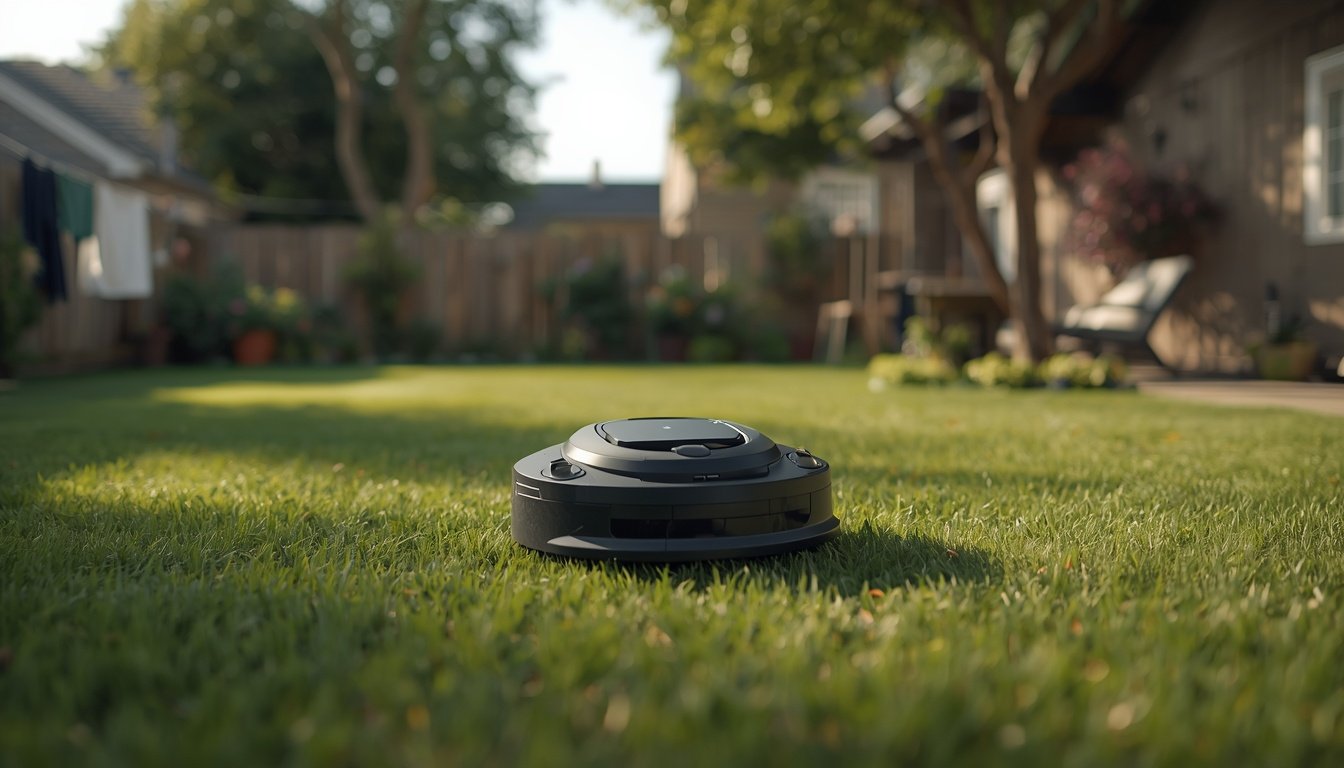
Choosing between a robot lawn mower and a ride-on mower comes down to your priorities: do you want to spend less time on lawn care, or do you need complete control over when and how your lawn is cut? Robot mowers are best for hands-off, low-effort maintenance, while ride-on mowers suit those willing to trade time and physical effort for direct involvement. Your lifestyle, yard size, and how you value convenience are the main factors that should guide this decision.
Why It Matters
This choice affects more than just how your lawn looks. It impacts your weekend routines, total lawn care costs, and even how much physical activity you get. Robot mowers offer automation and time savings, freeing up hours you’d otherwise spend mowing. Ride-on mowers, meanwhile, can make quick work of very large lawns and give you flexibility over cutting schedules and patterns.
Different homeowners have unique needs. For some, physical demands or limited time make automation the clear winner. For others, a manual approach is satisfying or even necessary because of complex yard shapes or frequent landscaping changes. Understanding these differences is central to making the right call for your property.
Most Important Features to Prioritise
Every buyer should consider a core set of features before committing. While both robot lawn mowers and ride-on models can cut grass reliably, not all are suited to every property or preference. Examining these key aspects can help you sift through options and avoid costly regrets:
- Yard Size Capability – Robot mowers excel on small to medium lawns. Ride-on mowers are better for larger or more open spaces with long stretches of grass.
- Time Investment – Robots are “set and forget,” requiring minimal hands-on time. Ride-on mowers demand your presence and effort each mowing session.
- Navigation and Obstacles – Robot mowers manage simple layouts and gentle slopes but can struggle with intricate gardens or steep terrain. Ride-on mowers can adapt more easily to irregular yard features.
- Upfront Cost – Ride-on mowers often cost more upfront. However, robot mowers’ prices (especially wire-free options) may be similar or higher depending on your lawn’s size and complexity.
- Ongoing Maintenance – Robot mowers require blade swaps and occasional cleaning. Ride-ons need regular engine servicing, oil changes, and sometimes more frequent repairs.
Balancing these considerations is essential for a good fit. If mowing feels like a chore and your lawn fits within a robot’s range, the appeal of delegating the task can’t be overlooked. For larger yards or if you prefer a hands-on approach, the extra investment in a ride-on might pay off over time in speed and versatility.
Features That Matter Less for Most People
It’s easy to get distracted by technical specs or features that only make a real-world difference for a small number of users. While some features can tip the scales for specific buyers, most people will not notice a significant impact from these:
- Advanced Smartphone Integration – App controls are convenient, but core mowing functions work well on most models without needing constant tweaks from a phone.
- High-Speed Blades – More speed doesn’t always equal a better cut. Safety and reliability generally matter more.
- Sophisticated Rain Sensors – Almost all quality mowers have some method to avoid mowing wet grass, so this isn’t a major differentiator anymore.
For the majority, focusing on build quality, battery life (for robots), deck size (for ride-ons), and reliable navigation will have more impact than chasing rare features. Instead of overvaluing the latest tech updates, make sure the basics are covered well for your specific yard.
How to Match Features to Your Situation
Assessing your lawn and routine is the best way to match the mower type to your actual needs. Start with the total lawn area—robot mowers have practical limits, often around an acre, and struggle if you frequently rearrange garden beds or gates. Ride-on mowers become more valuable as property size and mowing frequency increase, especially if you face uneven ground or need to tackle other tasks like towing attachments.
Lifestyle matters, too. If you travel frequently or dislike yard work, a robot mower offers unmatched convenience. If you find lawn maintenance relaxing or don’t mind spending thirty minutes on weekends, a ride-on could feel justified. For those curious about the value equation, it can also help to consider perspectives like are wire-free robot mowers worth the cost. Many homeowners find the long-term convenience and consistent results of automation justify the up-front investment, while others feel direct control is essential.
Think realistically about how each mower will fit into your weekly life. It’s not just about mowing—consider transport, storage, noise levels, and neighborhood restrictions as well. Trying to map these factors against your everyday experience leads to the best results.
Final Thoughts
In summary, the right choice between a robot lawn mower and a ride-on mower hinges on your practical needs and preferences. Robot mowers suit those seeking low-maintenance, hands-free care on smaller, simpler lawns. Ride-on mowers fit best when speed, power, and flexibility are priorities—particularly for larger or more challenging yards.
Lawn size, time commitment, terrain complexity, and how much you enjoy (or want to avoid) mowing are your most important considerations. Think about your habits, the layout of your outdoor spaces, and how each tool would change your routine. Evaluating these factors honestly will help you make an informed, satisfying decision.