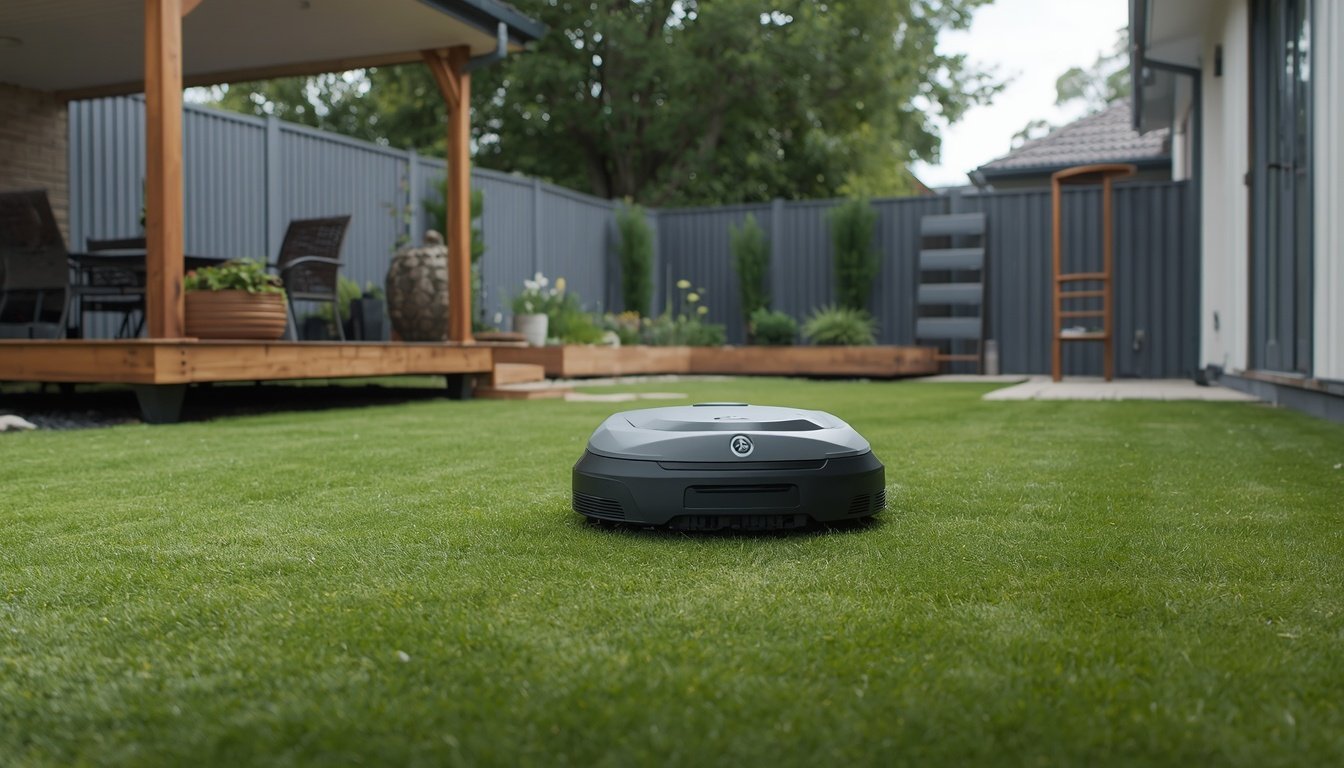
If a robot mower loses its GPS or RTK signal, it will immediately stop mowing and either pause in place or attempt to return to a known area with better signal. Most wire-free models pause for safety until connection returns, since their navigation depends on continuous signals. If the mower can’t regain a stable signal, it will not resume mowing, ensuring it doesn’t wander off course or miss sections of your lawn.
How Robot Mowers React to Signal Loss
Modern wire-free robot mowers rely heavily on GPS or RTK signals to maintain accurate navigation. When these signals drop, the robot cannot safely determine its position. As a result, most mowers either stop immediately or attempt to retrace their last secure route back to a starting point. This built-in response prevents the mower from mowing outside defined boundaries or getting stuck in confusion.
Some advanced mowers have memory features that help them recognize their last position before signal loss. When the signal returns, they resume mowing from where they left off. However, without that signal, the mower’s safety features remain active. Most will not attempt to guess or improvise their route, reducing risk to flowerbeds, walkways, or neighboring properties.
This reliance on steady signal also highlights why location and signal strength matter. Obstructions like walls, large trees, or structures may lead to temporary interruptions. Frequent signal loss could indicate a need to reposition your base station or rethink your lawn’s mapping approach.
Common Causes of RTK or GPS Signal Dropouts
Signal losses do not always mean a malfunction. Various factors interfere with the GPS or RTK reception robot mowers need. Heavy overhanging branches, garages, sheds, or thick exterior walls are common culprits. Tall buildings can also create “urban canyon” effects, deflecting or weakening satellite links.
Stormy or cloudy weather can sometimes disrupt GPS accuracy, though most modern systems cope well unless conditions are extreme. RTK base station issues, such as poor placement or accidental unplugging, can cause sudden drops. Wireless interference from nearby electronics or Wi-Fi routers might also degrade signal reliability in rare cases.
- Dense tree cover blocking satellites
- Poor placement or malfunction of the RTK base station
- Stormy weather or heavy rainfall
- Physical obstacles like walls or sheds
- Signal interference from other devices
Understanding these causes can help you troubleshoot and correct weak zones. Try relocating the base station, trimming branches, or adjusting mower schedules for bad weather. Addressing obstacles early reduces frustrating interruptions and keeps your robot mowing smoothly.
What You Can Do to Minimize Signal Problems
Proactive steps make a big difference in reducing signal loss with robot mowers. Place the RTK base station in an open spot, well away from dense trees and large structures. If your yard has significant tree coverage, consider trimming branches or mapping mowing paths to avoid the worst-shaded sections during certain times of day.
Regularly check connections and power to the base station or any signal boosters. Routine maintenance ensures devices aren’t inadvertently unplugged or obstructed. Some users find it helpful to schedule mowing for times with strong, stable satellite coverage, such as midday when sky visibility is best.
If you are curious about the underlying tech, read more on RTK and LiDAR robot mower navigation for an in-depth look at how these systems interact. While signal loss is sometimes unavoidable, simple changes to setup and scheduling can dramatically improve your mower’s reliability and performance.