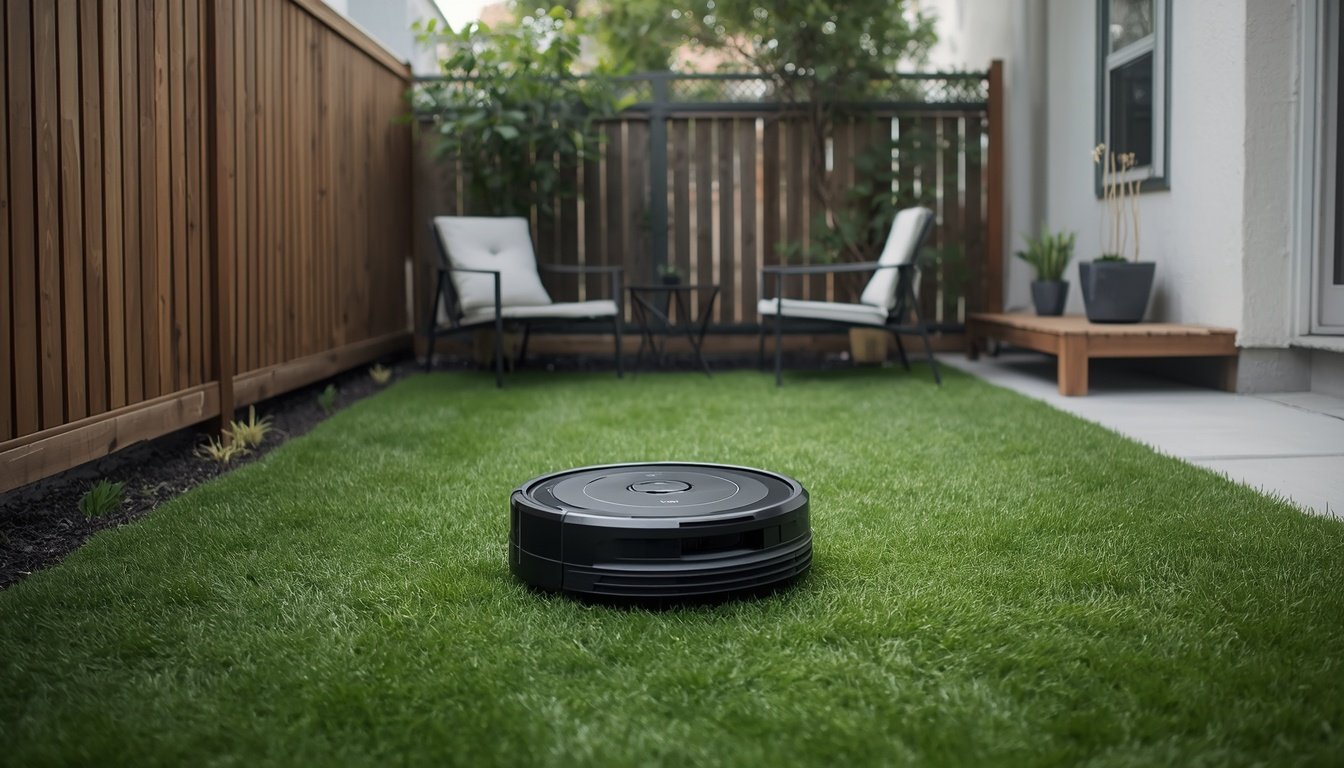
Most robot lawn mowers use a boundary wire to define the edges of the mowing area, but some newer models do not require any physical wire. Whether a robot lawn mower needs a boundary wire depends on its navigation technology. Wire-free options use alternative methods to establish virtual boundaries, eliminating the need to install a perimeter wire.
How It Works
Traditional robot lawn mowers rely on a physical boundary wire laid around the edges of the lawn. This wire emits a low-voltage signal that the robot detects, keeping it inside the designated area. In contrast, wire-free robot mowers use technologies such as GPS, cameras, or sensors to map and remember the area they should mow. These systems allow users to define the mowing zone through an app or device instead of manual installation.
What It Can Do
A wire-based robot mower effectively keeps the mower within a fixed boundary, even on complex lawns with flower beds or irregular shapes. Wire-free models achieve similar results by digitally mapping the area, providing additional flexibility for setup and adjustments. The following features highlight the capabilities of these systems:
- Automatically navigate the lawn within defined perimeters, whether set by wire or via virtual mapping.
- Handle multiple zones, allowing for selective mowing in different lawn areas.
- Detect and avoid obstacles such as trees, flower beds, or garden decorations.
- Autonomously return to the charging station when the battery is low or mowing is complete.
Both types of mowers maintain safe and consistent operation by ensuring the machine does not stray outside the set boundary. Virtual (wire-free) systems also allow for quicker setup changes, as lawn adjustments can be made through software rather than physically moving wires.
Limitations and What It Cannot Do
Despite technological advances, both boundary wire and wire-free robot mowers have important limitations. Physical boundary wires require time-consuming installation and may need repair if the wire is damaged. Wire-free mowers depend on reliable signal reception, satellite accuracy, or clear sight lines for their navigation systems.
Neither type will perform well on very steep slopes, heavily cluttered lawns, or in areas where obstructions block key sensors. Additionally, wire-free models may struggle with accuracy if GPS signals are disrupted by trees or buildings.
Users should understand that boundary wire is not required for all robot mowers, but alternatives come with their own technical constraints. The choice between options often depends on the specific lawn conditions and user preferences.
When It Works Best
Robot lawn mowers perform best in environments that match their navigation capabilities. Wire-based mowers are suitable for lawns with established, unchanging edges and where permanent installation is not a concern. Wire-free models are ideal for users seeking flexible zoning, quick setup, or lawns with clear skies that allow for strong GPS signal reception.
For properties with frequent landscaping changes, wire-free options make it easier to redefine boundaries. However, gardens with dense tree cover or many signal obstacles may still benefit from the reliability of a physical wire. It’s important to consider the layout, size, and complexity of your lawn before deciding which mower technology fits best.
Common Misconceptions
Many people believe all robot lawn mowers require a boundary wire, but this is no longer true with advances in virtual boundary technologies. Another misconception is that wire-free mowers always outperform traditional models; in reality, each has strengths and weaknesses depending on environmental factors. It is also incorrect to assume wire-free mowers can function reliably anywhere without considering GPS or sensor limitations.
Final Answer Summary
Robot lawn mowers do not always need a boundary wire—wire-free and traditional options exist. The best solution depends on your yard’s features, willingness to install hardware, and the reliability of navigation technology in your area. Understanding the differences and limitations will help you choose the most effective system for your lawn.
Related Guides
- What Is a Wire-Free Robot Lawn Mower?
- How Do Wire-Free Robot Mowers Work?
- How Do Virtual Boundaries Work on Robot Lawn Mowers?
For a direct comparison between technologies, see our guide on boundary wire vs wire-free robot mowers.