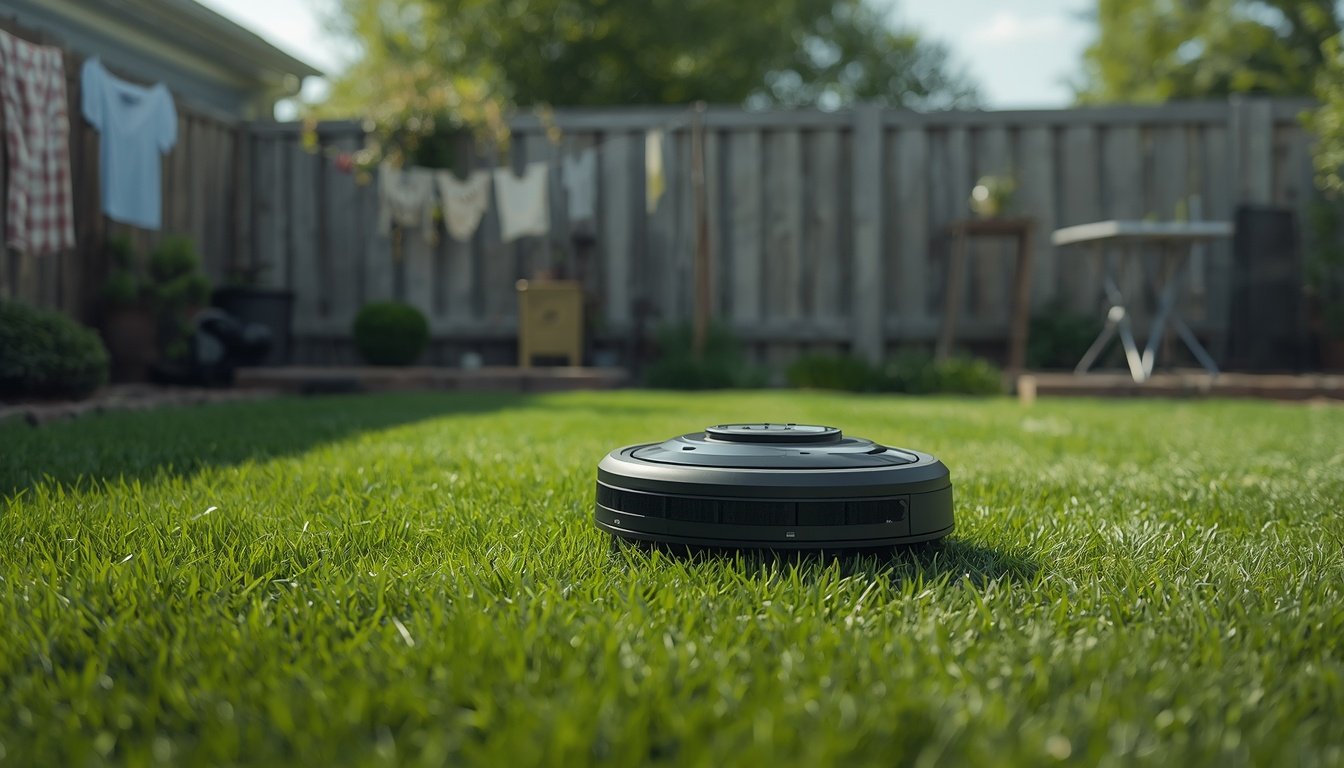
If you’re weighing wire-free against wire-guided robot mowers, initial cost is only part of the calculation. Wire-free models are usually more expensive upfront, but many buyers find the price gap is less significant when installation and maintenance are considered. The real difference in total cost depends on your lawn’s complexity, the experience you want, and how much work you expect to do yourself.
Why It Matters
Choosing between wire-free and wire-guided mowers is about more than the purchase price. The setup requirements, ongoing adjustments, and repair likelihood can make a bigger impact on your budget—and your patience—over time. Understanding these differences helps you avoid surprises and choose a mower that will still seem like a smart buy years later.
For people with changing landscapes or who want the flexibility to adjust mowing zones without digging up boundaries, the long-term value calculation tilts in favor of wire-free. On the other hand, some find a higher initial investment challenging if they have a simple, flat lawn and don’t mind physical installation work.
Most Important Features to Prioritise
Focusing your attention on certain features can make the biggest impact when balancing wire-free versus wire-guided robot mower costs. While the list of possible features is long, a few stand out for their strong influence on long-term satisfaction and hidden expenses.
- Mapping & Navigation: Wire-free models rely on GPS or vision-based navigation, which can increase both upfront price and reliability. This affects performance and means less manual interference later.
- Installation Complexity: With wire-guided mowers, professionally installing wire boundaries can add hundreds to your setup cost. Wire-free setups are faster, often DIY, and avoid major disruption.
- Adaptability: If you plan to landscape, garden, or change things in your yard, a wire-free mower is less costly over time, as there is no need to rebury or fix wires.
- Ongoing Maintenance: Broken or cut wires in traditional systems require repairs. Wire-free mowers virtually eliminate these future expenses.
It’s important to recognize that while wire-free technology costs more upfront, its advantages show up over the years as your needs change. Consider how frequently weather, pets, or routine gardening might disturb a boundary wire before viewing the purchase price as the sole cost factor. Buyers looking for the widest long-term cost savings should weigh these needs against the features offered.
Features That Matter Less for Most People
Several specifications can seem important but, in practice, make less difference to most users or have only minor impacts on cost over time. Understanding which features are non-essential can help you focus on what truly justifies a higher or lower price.
Battery capacity or charge times, for example, are typically similar across categories and only become a deciding factor for very large or unusually shaped lawns. Advanced app integrations and smart home compatibility may be appealing, but they don’t generally offset installation or maintenance costs. Wheel type, cutting options, or color are also lower-priority considerations for the majority of buyers.
By filtering out these non-critical features, you can better compare the real costs and avoid overpaying for extras that won’t impact your mowing experience. Instead, direct your attention to setup requirements, maintenance needs, and adaptability, which are more likely to affect your bottom line—especially if you’re trying to understand are wire-free robot mowers worth the cost for your situation.
How to Match Features to Your Situation
Your lawn’s size, layout, and future plans are key to determining which mower cost structure fits best. Start by mapping out how often you make changes to your yard. Frequent landscapers or pet owners who regularly disrupt the ground are likely to save money—and frustration—with wire-free systems.
Consider your tolerance for setup tasks. If you’re comfortable running wires and are unlikely to modify your lawn, the initial lower price of a wire-guided mower may work in your favor. However, if you want a more hands-off, quickly adaptable setup, the wire-free investment provides peace of mind despite a higher sticker price.
Lawn complexity also plays a big role. Complicated gardens or lots with multiple zones and obstacles benefit from the flexibility of advanced navigation found in wire-free mowers. For most, adding up installation fees, potential repair costs, and possible design changes gives a clearer picture of what will be more cost-effective in the long run.
Final Thoughts
Deciding between wire-free and wire-guided robot mowers comes down to more than just the number on the price tag. Wire-free options often look expensive at first glance, but their appeal grows when you factor in simple setup, easy zone adjustments, and almost no risk of boundary repairs later. Wire-guided mowers, meanwhile, tend to offer a smaller buy-in cost but ask for more effort over time—especially if your lawn or lifestyle is likely to change.
In summary, the right choice depends on how you value time, flexibility, and future-proofing versus upfront savings and manual control. If you take stock of your yard’s needs and how much change you expect in the coming years, you’ll be well positioned to choose the more economical solution for your circumstances.